Bhutan is one of those places that feels like it is doing
life a little differently. Slower. More intentional. And if you are planning a
trip mainly for festivals and culture, the timing matters more than almost
anything else.
Because yes, you can visit Bhutan any time of year and still
see monasteries, prayer flags, and those ridiculous mountain views. But
festivals, the big ones, the ones where entire valleys show up in their best
clothes and the courtyard turns into a living theatre. Those happen on specific
days, tied to the Bhutanese lunar calendar. Miss the window and you might still
have a beautiful trip, but it will feel quieter. Less… electric.
So let’s talk about the best time to visit Bhutan for
festivals and cultural experiences, season by season, with a practical view of
weather, crowd levels, and what kind of cultural moments you will actually get.
A quick note about Bhutan festival dates (before we get into months)
Most major festivals in Bhutan are Tsechus, which are
religious festivals held in honor of Guru Rinpoche (Padmasambhava). The exact
dates shift each year because they follow the Bhutanese lunar calendar.
So if you are planning around a specific festival, you do
not plan by “second week of April” in a strict way. You plan by checking the
official festival calendar for that year, then building the itinerary around
it.
Also, a small thing people underestimate. Some festivals
happen in remote districts. Getting there takes time. Road conditions,
distances, altitude. So the “best time” is also about logistics, not just
vibes.
This is where a specialist operator helps, especially one
that runs Bhutan trips regularly and has local coordination in place. Companies
like Amazing Nepal Trek, for example, build festival itineraries around
real timing, permits, and on the ground flow, not just a generic route copied
from a brochure.
The best overall season for festivals: Spring (March to May)
If you want a clean, simple answer, spring is probably the
best overall time to visit Bhutan for culture and festivals.
You get:
● Pleasant
daytime temperatures in the main valleys
● Rhododendrons
and wildflowers starting to show up
● Generally
clear skies (not always, but often)
● A
packed cultural calendar, especially in March and April
Why spring feels so good in Bhutan
Spring in Bhutan is when you can do long monastery days
without freezing, and you can sit through festival performances without feeling
like your fingers are about to fall off.
It is also a great season if you want a trip that mixes:
● Festival
days
● Short
hikes like Tiger’s Nest
● Cultural
sightseeing in Paro, Thimphu, Punakha
● Maybe
even a gentle trek or nature walk
Festivals and cultural highlights in spring
Specific festivals vary each year, but spring often includes
some major ones across western and central Bhutan. Depending on the year, you
may catch festivals around:
● Paro
region
● Thimphu
area
● Punakha
/ Wangdue valleys
● Central
regions if you go deeper (more time, fewer crowds)
And even outside festival courtyards, spring is strong for
culture. Villages are active. Farmers are in the fields. Monasteries feel lived
in. You are not just looking at Bhutan, you are watching it happen.
Best for:
● First
time visitors who want a bit of everything
● Travelers
who want big festivals but also comfortable weather
● Photography
focused trips (color, light, outfits, landscapes)
The most famous festival season: Autumn (September to November)
Autumn is the other heavyweight. And honestly, it might be
the best time if your priority is big festivals plus the clearest mountain
views.
This is the season when Bhutan is crisp and bright. Skies
tend to be clearer. The light is sharp. The Himalayas look close enough to
touch on a good day.
And culturally, autumn is loaded.
Why autumn is a festival magnet?
This is when some of Bhutan’s biggest Tsechus happen. The
kind that draw locals from surrounding villages and international travelers who
planned months ahead.
Autumn festivals can feel more intense than spring ones,
partly because:
● The
weather is stable
● Travel
conditions are easier
● It
is peak travel season, so more people are around
That last point is both good and bad.
Festivals and cultural highlights in autumn
Again, dates shift, but autumn often includes major
events like:
● Thimphu
Tsechu (one of the biggest, most iconic)
● Jambay
Lhakhang Drup (central Bhutan, famous and very traditional)
● Other
important valley festivals depending on the year
You can also add cultural layers easily in autumn:
● Longer
monastery visits without rain disruptions
● Scenic
drives through Punakha and Dochula
● Homestay
style village experiences (if arranged well)
● Traditional
arts and crafts shopping in a more relaxed climate
Best for:
● Travelers
who want the most famous festivals
● People
who want clear skies and dramatic landscapes
● Those
who do not mind higher demand and planning ahead
A real tip (not glamorous but important)
Autumn festival trips should be booked early. Hotels in Paro
and Thimphu can fill fast around festival weeks. If you want nicer properties
or a specific style of trip, you need a head start.
This is where Amazing Nepal Trek is useful for
travelers who want a festival focused itinerary without the headache. They
already build these routes, coordinate guides, and keep the trip feeling
personal instead of rushed.
Winter (December to February): quiet, spiritual, and surprisingly cultural
Winter is not usually marketed as “festival season,” but it
has a certain kind of magic. Especially if you are not chasing the biggest
crowds.
Bhutan in winter is calmer. The air is cold and clean. Some
higher passes and regions can be icy. But the main valleys like Paro, Thimphu,
and Punakha are still very doable.
What cultural experiences are best in winter?
If your idea of culture is not just a festival, but the
quieter stuff, winter works.
Think:
● Monastery
visits with fewer people
● Long
conversations with guides and locals
● Traditional
hot stone baths in colder weather
● Clear
mornings and peaceful temple courtyards
There are still festivals in winter too, just fewer and more
local.
Pros of visiting in winter
● Less
crowded, often more intimate travel experience
● Great
value compared to peak months
● Clear
skies, especially in the mornings
● Better
availability for accommodations
Cons
● Colder
evenings, especially in Paro and higher elevations
● Some
remote regions are harder to reach comfortably
● Festival
selection is limited compared to spring and autumn
Best for:
● Travelers
who want a slower, quieter cultural trip
● Couples,
photographers, repeat visitors
● People
who want monasteries, spirituality, and local life more than big events
Summer and monsoon (June to August): for green landscapes and offbeat
culture, but with caveats
Summer in Bhutan is the monsoon season. That means rain,
clouds, occasional road disruptions, and fewer travelers.
So is it a bad time? Not automatically. It just depends on
what you want and how flexible you are.
What summer is actually good for?
Bhutan turns intensely green in summer. Valleys feel alive.
Mist hangs on the hills. Rivers run full. It can be beautiful in a moody,
cinematic way.
Cultural travel is still possible:
● Temples
and museums are open
● Local
village life is active
● You
can find smaller festivals and community events depending on the region
But the big problem is reliability. If you are trying to
plan a once in a lifetime festival trip and your schedule is tight, monsoon
months are risky.
Pros
● Lush
landscapes, fewer tourists
● Lower
demand, potentially more availability
● A
more local, less “tour group” feeling
Cons
● Rain
can affect views, road travel, and hiking
● Leeches
on some trails, yes it is a real thing
● Festival
access can be more complicated depending on location
Best for:
● Flexible
travelers who do not mind weather unpredictability
● People
who want a quieter cultural immersion
● Budget
minded travelers (while still following Bhutan’s tourism rules)
So what is the single best month to visit Bhutan for festivals?
If you want one pick, you usually end up choosing
between:
● April
(spring festivals, good weather, flowers, strong mix)
● October
(big festivals, clear skies, peak cultural travel energy)
But it is not as simple as “April is best.” Some years the
festival you want might fall in late March, or early May, or September. So
choose the festival first, then lock the month.
The best time based on the type of cultural experience you want
Here is the more useful way to decide.
If you want big iconic Tsechus (lots of people, big energy)
Go in September to November, or March to April.
If you want a balanced trip (festival plus hiking plus
temples, comfortable weather)
Go in April or October.
If you want quieter monastery time and less tourist noise
Go in December to February.
If you want green landscapes and off season travel
Consider June to August, but build buffer days and
keep expectations realistic.
A few festivals travelers ask about a lot (and what to expect)
Paro Tsechu
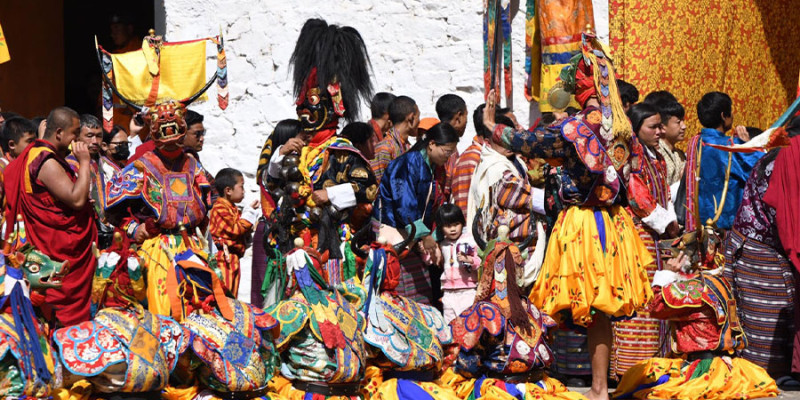
This is one of the most well known festivals, held in
Paro, usually in spring. Expect:
● Mask
dances in a large courtyard
● Locals
in their best kira and gho
● A
feeling that this is not a performance for tourists, it is a religious
gathering first
If you are going for Paro Tsechu, plan a longer stay in
Paro. Not just a day trip. The town gets busy.
Thimphu Tsechu
Massive, vibrant, and very popular. If you want people
watching, this is the one. You see:
● Whole
families coming in from villages
● Packed
courtyards
● Big
cultural energy, lots going on outside the main dances too
Punakha and Wangdue region festivals
These valleys often feel softer and more spacious than
Thimphu and Paro. You still get strong culture, but sometimes with a slightly
less crowded feeling, depending on the event and year.
Booking and planning tips (that will save you later)
● Confirm
festival dates early. Do not rely on last year’s calendar.
● Build
buffer days. Roads, weather, and altitude take time.
● Stay
close to festival sites. Long drives on festival mornings are painful.
● Pack
for layers. Even in spring and autumn, mornings can be cold.
● Respect
festival etiquette. Ask before photographing monks, don’t block pathways,
and just observe first before trying to capture everything.
And if you are trying to do this in a smooth way, where you
actually enjoy the festival instead of stressing about transport and timing,
working with a Bhutan focused operator matters.
Amazing Nepal Trek is a strong option here,
especially if you want something more thoughtful than a template itinerary.
They design Bhutan festival tours and cultural trips that lean into the
details. Good guides, pacing that makes sense, and cultural experiences that
feel real. Paro Tsechu days, monastery visits, mountain scenery, all of it
stitched together properly.
The simple takeaway
For most travelers, the best time to visit Bhutan for
festivals and cultural experiences is:
● Spring
(March to May) for comfort, flowers, and a strong festival calendar
● Autumn
(September to November) for the biggest festivals and clearest mountain
views
If you want quieter culture, winter is underrated. If you
want green and offbeat travel, summer can work, just expect rain and stay
flexible.
Pick your festival first, then build the trip around it.
That is the Bhutan way of planning, honestly. Everything is tied to the
calendar, the moon, the monastery, the rhythm of the place. Once you accept
that, the rest gets easier.
FAQs (Frequently Asked Questions)
When is the best time to visit Bhutan for festivals and cultural
experiences?
The best overall season to visit Bhutan for festivals and
cultural experiences is spring (March to May). During this time, you can enjoy
pleasant temperatures, blooming rhododendrons and wildflowers, generally clear
skies, and a packed cultural calendar with major festivals across western and
central Bhutan.
Why do Bhutan's festival dates change every year?
Bhutan's major festivals, known as Tsechus, follow the
Bhutanese lunar calendar. This means their exact dates shift annually. To plan
a trip around a specific festival, it's essential to check the official
festival calendar for that year rather than relying on fixed Gregorian calendar
dates.
What makes autumn a popular season for visiting Bhutan's festivals?
Autumn (September to November) is famous for its crisp and
bright weather with clear skies and dramatic mountain views. It's when some of
Bhutan's biggest Tsechus take place, such as the Thimphu Tsechu. The stable
weather and easier travel conditions make it a peak festival season attracting
both locals and international travelers.
Are there logistical considerations when planning a trip to Bhutan for
festivals?
Yes, many festivals occur in remote districts requiring time
to reach due to road conditions, distances, and altitude. Planning logistics
carefully is crucial. Specialist operators like Amazing Nepal Trek help by
building itineraries around real timing, permits, and local coordination to
ensure smooth festival experiences.
What can travelers expect during winter visits to Bhutan?
Winter (December to February) in Bhutan is quieter and more
spiritual with cold, clean air. Although not typically a festival season, it
offers calm cultural experiences without large crowds. Some higher passes may
be icy, but main valleys like Paro remain accessible for cultural sightseeing.
How should travelers prepare for visiting Bhutan during autumn festival
season?
Since autumn is peak travel season with high demand during
major festivals like the Thimphu Tsechu, it's important to book trips early.
Hotels in Paro and Thimphu fill up quickly around festival weeks. Using
experienced operators who specialize in festival-focused itineraries can help
secure accommodations and maintain a personal travel experience.

 (1) (1).jpg)