What is the Gokyo Valley Trek – 13 Days like?
This is a 13-day tea-house-based trek in the Everest region that offers stunning views of the Himalayas, beautiful alpine lakes, glacier crossings, and a peaceful alternative to the crowded Everest Base Camp trail.
What are the key highlights of this trek?
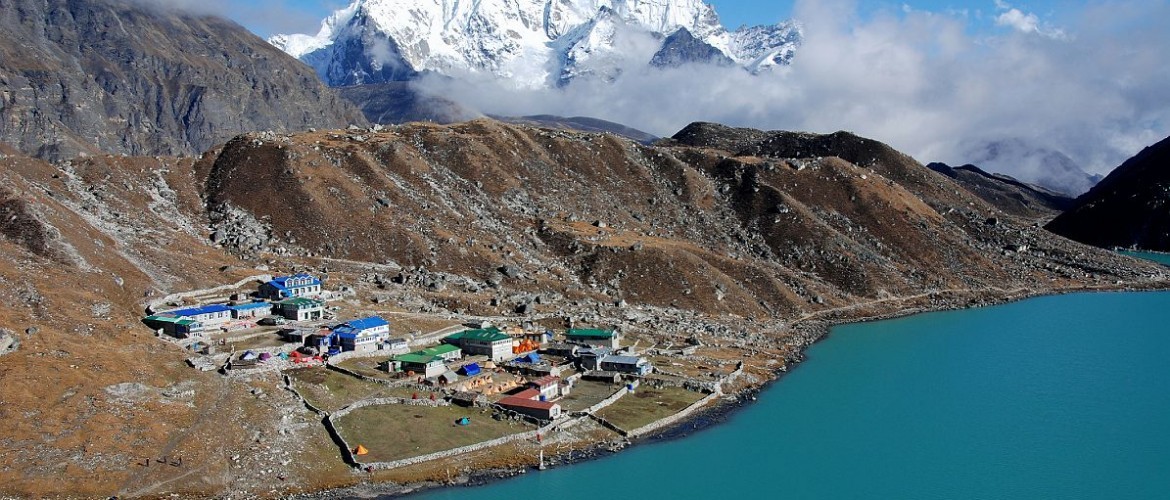
The trek includes visits to the turquoise Gokyo Lakes, a hike to Gokyo Ri (5,357 m) for panoramic mountain views, crossing the Ngozumpa Glacier, and experiencing Sherpa culture in high-altitude villages.
What’s the itinerary like?
The trek begins with a flight from Kathmandu to Lukla, followed by a multi-day hike through Phakding, Namche Bazaar, Dole, Machhermo, and Gokyo. After exploring Gokyo and climbing Gokyo Ri, you return to Lukla and fly back to Kathmandu.
How high do we climb during the trek?
The highest point of the trek is Gokyo Ri at 5,357 meters above sea level, offering spectacular panoramic views of Everest, Lhotse, Makalu, and Cho Oyu.
How is acclimatization managed?
The itinerary includes acclimatization days in Namche Bazaar and Gokyo. These allow your body to adjust to the altitude and reduce the risk of altitude sickness.
How difficult is the trek?
This is a moderate to challenging trek. It involves walking 5–7 hours per day over rocky trails and high-altitude terrain. Good fitness and prior trekking experience are recommended.
What type of accommodation and meals are included?
In Kathmandu, you will stay in a tourist standard hotel. During the trek, accommodation will be in basic but clean teahouses. You will receive full board meals on the trek and breakfast in Kathmandu.
What food will be provided during the trek?
Meals include nutritious local dishes such as dal bhat, noodles, soups, porridge, Tibetan bread, and seasonal vegetables. All meals are prepared hygienically and with organic ingredients where possible.
How large are the trekking groups?
Group sizes usually range from 2 to 10 people. Solo trekkers and larger groups are also welcome and custom itineraries can be arranged on request.
Are trekking permits and park fees included?
Yes. The cost of the trek includes all necessary permits such as the Sagarmatha National Park Entry Permit and local rural municipality fees.
How are Lukla flights managed?
Round-trip flights between Kathmandu and Lukla are included. In case of delays or cancellations due to weather, helicopter evacuation may be arranged for an additional cost.
What equipment or gear should I bring?
You should pack warm clothing, rain gear, sturdy trekking boots, gloves, a hat, sunglasses, sunscreen, a headlamp, sleeping bag, water bottles, and personal toiletries. A full gear list will be provided before departure.
When is the best time to do the Gokyo Valley Trek?
The best seasons are spring (March to May) and autumn (September to November), when the weather is stable and the views are at their best.
What health and safety precautions should I take?
Stay hydrated, walk slowly, allow your body to acclimatize properly, and communicate any discomfort to your guide. Carry a basic first-aid kit and consult your doctor before the trek.
Is there internet or mobile connectivity on the trail?
Limited mobile connectivity is available in some villages like Namche and Gokyo. Wi-Fi may be available at select teahouses for an additional fee.
What support crew will be provided?
You will be accompanied by a licensed English-speaking guide, an assistant guide (for larger groups), and porters (one porter per two trekkers). All crew members are insured and experienced.
Do I need travel insurance?
Yes, it is highly recommended. Your insurance should cover high-altitude trekking, helicopter evacuation, medical emergencies, and trip cancellation.
Should I plan extra days before or after the trek?
Yes. It is recommended to arrive in Kathmandu at least a day before your trek starts and have a buffer day after the trek ends in case of flight delays from Lukla.
Why book the Gokyo Valley Trek with Amazing Nepal Trek?
Amazing Nepal Trek provides experienced and insured guides, well-planned itineraries, eco-friendly and ethical trekking practices, reliable local connections, and responsive service. With our commitment to safety and personalized care, you are assured of an unforgettable Himalayan adventure.

 208 Reviews on Tripadvisor
|
208 Reviews on Tripadvisor
|  54 Reviews on Google
|
54 Reviews on Google
|  30 Reviews on Facebook


.png)
.png)