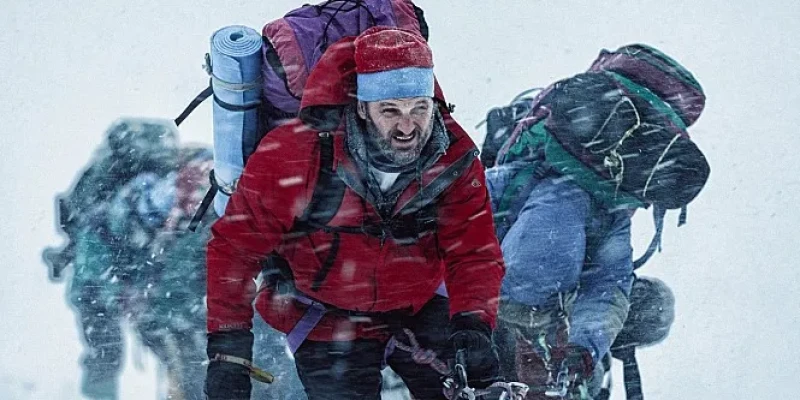
“With enough determination, any bloody idiot can get up this hill,” said Rob Hall, the renowned New Zealand mountaineer and guide. But in May 1996, Mount Everest reminded the world that nature always has the final say.
The Allure and the Risk of Everest
Every year, hundreds of climbers from around the world
attempt to scale Mount Everest, drawn by the glory of standing atop the highest
point on Earth. But in May 1996, the mountain claimed the lives of eight people
in a single day, in one of the deadliest climbing disasters in Everest’s
history.
This tragic event, later chronicled in books and
films—including Jon Krakauer’s bestselling Into Thin Air and the 2015
movie Everest—sparked intense debates about the commercialization of
high-altitude mountaineering, the limits of human endurance, and the
unpredictable power of nature.
The Build-Up to Tragedy
Two major commercial expeditions were attempting to summit
Everest from the South Col route in early May 1996:
- Adventure
Consultants, led by Rob Hall (New Zealand)
- Mountain
Madness, led by Scott Fischer (USA)
These expeditions included a mix of experienced guides and
amateur clients who had paid substantial fees (around $65,000 at the time) for
a chance to summit.
Among the climbers were:
- Jon
Krakauer, a journalist on assignment for Outside
Magazine
- Beck
Weathers, an American doctor
- Yasuko
Namba, a Japanese climber aiming to be the oldest woman to
complete the Seven Summits
May 10: Summit Day Turns Deadly
On May 10, both teams began their final summit push from
Camp IV. A series of small delays—crowding on the route, fixed ropes not being
in place, slow climbers—meant many didn’t reach the summit until after 2:00
p.m., far later than the advised turnaround time.
As climbers descended in deteriorating conditions, a sudden
blizzard swept in. With visibility reduced to near zero, winds howling, and
temperatures plummeting, chaos ensued.
Several climbers became lost or disoriented. Others
collapsed from exhaustion, oxygen deprivation, and frostbite.
The Toll
By the morning of May 11, eight climbers were confirmed
dead:
- Rob
Hall, who remained with his ailing client Doug Hansen near
the summit, died after spending the night exposed. His final radio
messages to base camp and satellite phone call to his pregnant wife remain
among the most haunting accounts of the tragedy.
- Scott
Fischer, also succumbed near the summit.
- Yasuko
Namba, overcome by the cold and fatigue, perished just
short of Camp IV.
- Doug
Hansen, Andy Harris, and others were also lost.
Miraculously, some survived against impossible odds. Beck
Weathers, an American pathologist was left for dead twice but managed to
walk back into camp, his face and hands horrifically frostbitten.
Aftermath and Legacy
The 1996 Everest disaster rocked the mountaineering world.
It triggered:
- Criticism
of commercial expeditions taking inexperienced
clients into the Death Zone
- Questions
about the role of guides versus personal responsibility
- Greater
emphasis on weather forecasting, communication, and summit timing
Several survivors went on to write memoirs and share their
harrowing stories, while families of the victims advocated for better safety
standards on Everest.
What We Learned from 1996
The tragedy taught climbers and guides alike a painful
lesson: Mount Everest is not just a mountain, but a force of nature. While
modern gear and commercial expeditions have made it more accessible, the risks
remain starkly real.
Today, more people than ever attempt to climb Everest, but
the shadow of 1996 serves as a somber reminder that even the best-prepared
climbers are at the mercy of the mountain.
Final Thoughts
The Everest Disaster of 1996 is not just a story of loss—it’s also a story of resilience, survival, and hard-earned wisdom. It changed how Everest is climbed and how climbers view risk. As we continue to reach for the world’s highest places, we must also remember the lives lost in pursuit of the summit—and respect the mountain that took them.



 (1) (1).jpg)