Introduction
The Kailash Mansarovar Yatra is one of the most challenging
yet spiritually rewarding pilgrimages in the world. This sacred journey takes
you through the heart of the Himalayas to reach Mount Kailash and Lake
Mansarovar - destinations revered across multiple faiths including Hinduism,
Buddhism, Jainism, and Bon.
At its core, this pilgrimage tests your limits at every
step:
- Physical
Endurance: Trekking through rugged terrains at altitudes reaching
19,500 feet
- Mental
Resilience: Battling unpredictable weather and isolation in remote
landscapes
- Spiritual
Strength: Maintaining focus and devotion despite physical exhaustion
The path to these sacred sites demands preparation,
determination, and unwavering faith. You'll face steep ascents, navigate
challenging weather conditions, and push your body to adapt to high altitudes.
Each step brings its own set of challenges, yet pilgrims who complete this
journey often describe it as life-changing.
The question "How difficult is Kailash Mansarovar
Yatra?" carries different meanings for different seekers. Your physical
fitness, mental preparation, and spiritual dedication all play crucial roles in
determining your experience. The journey might test your limits, but the
profound spiritual awakening and sense of accomplishment you gain make every
challenge worthwhile.
Understanding the Kailash Mansarovar Yatra
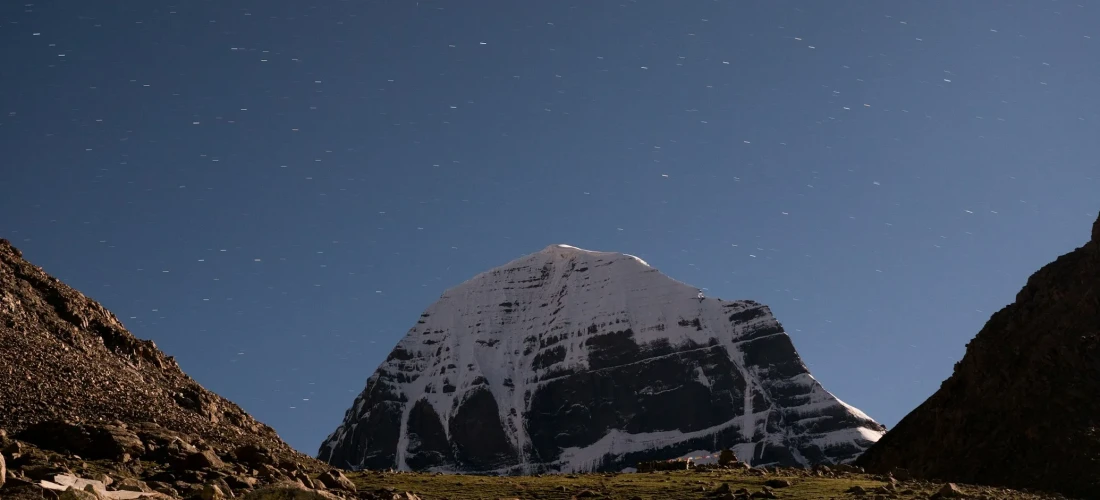
Mount Kailash is a majestic peak in the Transhimalayan
region of Tibet, standing tall at 21,778 feet. This sacred mountain holds great
importance for several religions:
- Hinduism:
The eternal home of Lord Shiva and Goddess Parvati
- Buddhism:
The residence of Buddha Demchok
- Jainism:
The place where the first Tirthankara attained liberation
- Bon
Religion: The spiritual center and source of power
The Significance of Lake Mansarovar
Lake Mansarovar, located at the base of Mount Kailash,
reflects this spiritual unity. This freshwater lake, with its crystal-clear
waters, spans an area of 320 square kilometers, making it one of the highest
freshwater lakes in the world.
The lake holds religious importance as mentioned in ancient
texts:
"A single dip in Lake Mansarovar equals 100 years of tapasya
(meditation)"
- Ancient
Hindu Scripture
Sacred Rituals at Lake Mansarovar
Devotees perform various sacred rituals at Lake Mansarovar,
including:
- Taking
a holy dip to cleanse sins
- Collecting
water for religious ceremonies
- Performing
parikrama (circumambulation) around its shores
The Mystique of Mount Kailash
The unique geological structure of Mount Kailash, with its
distinct four faces perfectly aligned with the cardinal directions, has
fascinated both pilgrims and scientists. The mountain remains unclimbed,
maintaining its sacred status and mysterious charm for devotees who embark on
this arduous pilgrimage.
The Challenges of the Kailash Mansarovar Yatra
The Kailash Mansarovar Yatra presents a set of formidable
challenges that test your physical endurance, mental resilience, and spiritual
dedication. Understanding these challenges helps you prepare adequately for
this sacred journey.
Physical Challenges: Conquering Kailash Mansarovar Yatra
The physical demands of the Kailash Mansarovar trek are
substantial, requiring exceptional stamina and strength. Your body faces
several key challenges:
1. Daily Trekking Requirements
- 8-19
kilometers of walking per day
- 6-8
hours of continuous movement
- Carrying
personal belongings weighing 5-7 kg
- Walking
on uneven, rocky terrain
2. Elevation Changes
- Base
elevation: 15,000 feet
- Maximum
elevation at Dolma Pass: 18,600 feet
- Multiple
steep ascents and descents
- Sections
with 45-60 degree inclines
3. Terrain Variations
- Rocky
pathways with loose stones
- Glacial
moraines requiring careful navigation
- River
crossings through icy waters
- Snow-covered
sections depending on season
- Muddy
trails during monsoon periods
The physical strain intensifies due to reduced oxygen levels
at high altitudes. Your muscles work harder, your breathing becomes labored,
and simple tasks like walking short distances can feel exhausting.
Key Physical Requirements For Kailash Mansarovar Yatra
- Strong
cardiovascular endurance
- Robust
leg strength
- Good balance
and coordination
- Core
stability
- Upper
body strength for using trekking poles
To prepare your body for these demands, incorporate these
training elements:
Pre-Trek Training Program
- Regular
hill climbing or stair climbing sessions
- Long-distance
walking (start with 5km, gradually increase to 15km)
- Strength
training focusing on legs and core
- Balance
exercises
- Altitude
training if possible
Essential Physical Preparation Tips
- Start
training 3-4 months before the yatra
- Practice
walking with a loaded backpack
- Include
rest days between training sessions
- Focus
on building stamina gradually
- Maintain
proper hydration during training
Battling Altitude Sickness: A Common Hurdle
Altitude sickness poses a significant challenge at Kailash
Mansarovar, with elevations reaching up to 19,500 feet. Your body needs time to
adapt to the reduced oxygen levels at these heights.
Common Symptoms to Watch For:
- Persistent
headaches
- Nausea
and dizziness
- Shortness
of breath
- Loss
of appetite
- Disturbed
sleep patterns
- Fatigue
and weakness
"The first signs hit me at 16,000 feet - a throbbing
headache and breathlessness. I learned the hard way that rushing the ascent
wasn't worth it," shares Rajesh Kumar, a seasoned pilgrim who
completed the yatra in 2019.
Essential Practices for Altitude Adaptation:
- Start
acclimatization 2-3 days before reaching high altitudes
- Maintain
a slow, steady pace during ascent
- Drink
4-5 liters of water daily
- Avoid
alcohol and smoking
- Take
regular breaks during the trek
- Consider
prescribed medications like Diamox
Warning Signs Requiring Immediate Action:
- Severe
headache unrelieved by medication
- Persistent
vomiting
- Mental
confusion
- Difficulty
maintaining balance
- Rapid
breathing at rest
The key to managing altitude sickness lies in proper
acclimatization. Your body needs approximately 24-48 hours to adjust to each
new elevation gain of 2,000 feet. Some trekkers might require additional rest
days depending on their body's response to the altitude.
Medical screening at various checkpoints helps monitor your
oxygen levels and vital signs. These regular health checks ensure early
detection of altitude-related complications and appropriate medical
intervention when needed.
Weather Woes: Dealing with Nature's Uncertainty
The Kailash Mansarovar region experiences dramatic weather
shifts that can challenge even seasoned trekkers. You'll face temperatures
ranging from a scorching 15°C (59°F) during daylight to bone-chilling -15°C
(5°F) at night. These fluctuations demand careful preparation and adaptability.
Common Weather Patterns:
- Sudden
snowstorms in higher elevations
- Heavy
rainfall during monsoon season (July-August)
- Strong
winds reaching speeds up to 40 km/h
- Dense
fog reducing visibility to mere meters
- Unexpected
hailstorms
Essential Weather Management Strategies:
- Layer
System Mastery Base layer: Moisture-wicking thermal wear
- Middle
layer: Fleece or wool for insulation
- Outer
layer: Waterproof, windproof jacket
- Time
Management Start treks early morning
- Plan
rest stops before afternoon weather changes
- Set
up camp before sunset
- Emergency
Preparedness Carry emergency shelter
- Pack
extra warm clothing
- Keep
emergency food supplies
- Bring
waterproof matches
Experienced pilgrim Rajesh Kumar shares: "The
weather at Kailash Mansarovar can shift within minutes. I've witnessed clear
skies turn into blinding snowstorms. Your survival depends on reading weather
signs and staying prepared."
Weather Monitoring Tips:
- Watch
cloud formations
- Note
wind direction changes
- Monitor
temperature drops
- Observe
local wildlife behavior
- Listen
to guide recommendations
The key to managing Kailash Mansarovar's weather lies in
maintaining flexibility with your schedule and staying alert to environmental
changes. Your ability to adapt quickly to weather shifts plays a crucial role
in completing the yatra successfully.
Preparing for a Successful Kailash Mansarovar Yatra
Success in the Kailash Mansarovar Yatra demands dedicated
preparation spanning several months before your departure date. A structured
approach to physical conditioning creates the foundation for a transformative
pilgrimage experience.
Pre-Journey Training Timeline
- Start
training 6-8 months before the yatra
- Focus
on progressive intensity increases
- Include
rest days for recovery
- Track
your progress weekly
Essential Fitness Components
1. Cardiovascular Training
- Regular
hiking sessions (3-4 times weekly)
- Stair
climbing workouts
- Swimming
for full-body endurance
- Cycling
on varied terrains
2. Strength Building
- Squats
and lunges for leg power
- Core
strengthening exercises
- Upper
body workouts for backpack carrying
- Balance
training on uneven surfaces
3. Endurance Development
- Long-distance
walking (start with 5km, build to 15km)
- Weekend
treks on local trails
- Practice
with loaded backpack
- Altitude
training where possible
Weekly Training Schedule Example
Monday: 60-minute cardio + leg strength exercises
Tuesday: Long-distance walking (8-10km)
Wednesday: Rest/light stretching
Thursday: Stair climbing + core workout
Friday: Strength training
Saturday: Practice trek with gear
Sunday: Active recovery/yoga
Training Intensity Guidelines
- Begin
at 60% of your maximum capacity
- Increase
intensity by 10% every two weeks
- Monitor
heart rate during workouts
- Practice
breathing techniques at higher elevations
Practical Training Tips
- Wear
your actual hiking boots during training
- Train
in varying weather conditions
- Practice
meditation for mental strength
- Include
balance exercises on rough terrain
- Gradually
increase backpack weight during practice hikes
The physical demands of Kailash Mansarovar require
consistent dedication to training. Your body needs time to adapt to the
challenges ahead, building both strength and stamina. Regular practice with
actual hiking gear creates muscle memory and prepares you for the real
conditions you'll face during the trek.
Gear Up: Choosing the Right Equipment For Kailash Mansarovar Yatra
Your gear selection can make or break your Kailash
Mansarovar Yatra experience. Here's your essential packing checklist:
Footwear
- High-ankle
waterproof trekking boots with good grip
- Comfortable
hiking socks (4-5 pairs)
- Camp
sandals for rest periods
Clothing Layers
- Base
layer: Moisture-wicking thermal wear
- Mid
layer: Fleece jacket
- Outer
layer: Down jacket and waterproof shell
- Trekking
pants (2-3 pairs)
- Warm
hat, neck gaiter, and gloves
Protection Gear
- UV-protective
sunglasses
- Sunscreen
(SPF 50+)
- Lip
balm with sun protection
- Rain
poncho or waterproof jacket
Essential Equipment
- Backpack
(40-50L) with rain cover
- Sleeping
bag rated for -10°C
- Trekking
poles
- Headlamp
with extra batteries
- Water
bottles (2L capacity)
Personal Items
- Quick-dry
towel
- Basic
first aid kit
- Personal
medications
- Hand
sanitizer
- Wet
wipes
Your backpack weight should stay under 10kg for comfortable
trekking. Pack items in waterproof bags to protect them from rain and snow.
Test your gear before the journey - breaking in new boots and checking
equipment functionality can prevent unexpected issues during the yatra.
Navigating Your Way to Kailash Mansarovar
You can access Mount Kailash through three primary routes,
each offering distinct experiences and challenges:
Nepal Gateway
- Begins
in Kathmandu
- Crosses
through Kerung Border
- Takes
14-16 days
- Provides
better infrastructure
- Includes
comfortable lodging options
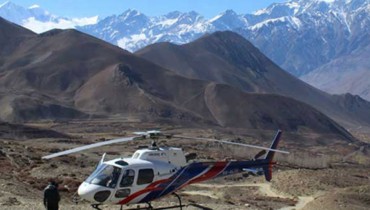
Helicopter Services: A Modern Alternative
- Cuts
journey time by 50%
- Operates
from Kathmandu to Hilsa
- Costs
$500-800 per person
- Weather-dependent
reliability
- Limited
baggage allowance
- Reduces
physical strain
- Skips
natural acclimatization process
Safety Considerations for Helicopter Routes
- Book
through licensed operators
- Check
weather forecasts
- Maintain
flexibility in schedule
- Carry
essential medications
- Keep
emergency contacts handy
The Nepal route with helicopter service has gained
popularity among pilgrims seeking a balance between comfort and spiritual
experience. This method of travel allows for a more manageable journey while
still maintaining the essence of the devotional expe rience.
Your choice depends on physical fitness, time constraints, and budget
considerations.
Embracing Spiritual Growth Through The Difficulties Of The Journey
The physical challenges of Kailash Mansarovar Yatra serve as
catalysts for deep spiritual transformation. Each step on this sacred path
presents an opportunity for inner growth and self-discovery.
The harsh conditions strip away material comforts, pushing
you to:
- Face
your limitations and transcend them
- Develop
patience and resilience
- Connect
with fellow pilgrims on a soul level
- Experience
profound moments of silence and reflection
Many pilgrims report experiencing spiritual awakening during
particularly challenging moments:
"When you're gasping for breath at 19,000 feet, you
realize how small you are in the grand scheme of things. That's when true
surrender happens."
The physical exhaustion often leads to mental clarity,
creating space for divine experiences. Your struggle against nature becomes a
metaphor for life's challenges, teaching valuable lessons about perseverance
and faith.
The difficulty of the Kailash Mansarovar Yatra isn't just a
test - it's a transformative tool that helps purify your mind, body, and
spirit. Each obstacle conquered brings you closer to understanding your true
spiritual potential.
FAQs (Frequently Asked Questions)
What is the Kailash Mansarovar Yatra?
The Kailash Mansarovar Yatra is a spiritual pilgrimage that
involves trekking to Mount Kailash and Lake Mansarovar, both of which hold
significant religious importance in Hinduism, Buddhism, Jainism, and Bon
traditions. The journey is known for its challenging terrain and high altitude
but offers profound spiritual rewards.
How difficult is the Kailash Mansarovar Yatra?
The difficulty level of the Kailash Mansarovar Yatra can be
quite high due to physical challenges such as steep ascents and descents, daily
trekking distances, and the risk of altitude sickness. Proper preparation and
fitness training are essential to successfully undertake this journey.
What are some tips for dealing with altitude sickness
during the yatra?
To minimize the risk of altitude sickness during the yatra,
it is important to acclimatize properly by ascending gradually, staying
hydrated, and recognizing symptoms early. Regular breaks and avoiding
overexertion can also help manage altitude-related challenges.
What essential gear should I pack for the Kailash
Mansarovar trip?
Essential gear for the Kailash Mansarovar trip includes
sturdy trekking boots, layered clothing suitable for varying weather
conditions, a good quality backpack, sleeping bag, water purification system,
first aid kit, and personal items like sunscreen and lip balm. A comprehensive
packing checklist can help ensure you have everything you need for a safe
experience.
When is the best time to undertake the Kailash Mansarovar
pilgrimage?
The best time for the Kailash Mansarovar pilgrimage is
typically from May to September when weather conditions are more favorable for
trekking. During these months, temperatures are milder and there is less chance
of snowfall or heavy rain.
How does facing challenges during the yatra contribute to
spiritual growth?
Facing obstacles during the Kailash Mansarovar Yatra can
lead to profound spiritual experiences as trekkers confront their physical
limitations and mental barriers. This journey of perseverance often results in
personal transformation and deeper spiritual insights.



 (1) (1).jpg)