
The Kailash Mansarovar Yatra is one of the most sacred pilgrimages for Hindus, Buddhists, Jains, and Bon followers. Located in the remote Tibetan plateau at an altitude of 19,500 feet, Mount Kailash is believed to be the dwelling place of Lord Shiva, while Lake Mansarovar represents purity and spiritual cleansing. Every year, thousands of devotees undertake this challenging journey seeking divine blessings and spiritual awakening.
The 2026 Kailash Mansarovar Yatra is particularly special as it coincides with the Tibetan Year of the Horse, which is considered highly auspicious in Buddhist tradition. This alignment enhances the spiritual significance of the pilgrimage and is expected to attract more devotees from around the world.
If you're planning your Kailash Mansarovar Yatra 2026, it's crucial to stay informed about the latest Tibet travel regulations and policy changes. Both Chinese and Indian authorities have implemented significant updates regarding Kailash Yatra permit requirements, documentation processes, and eligibility criteria. This article aims to clarify the revised Mansarovar pilgrimage guidelines and Kailash Mansarovar documentation requirements to assist you in preparing for this sacred journey.
Latest Permit Requirements for 2026 Yatra
The visa application process for the 2026 Kailash Mansarovar Yatra has undergone significant changes that you need to understand before planning your pilgrimage. The Chinese authorities have modified their requirements specifically for pilgrims traveling through the Nepal route, introducing stricter protocols that demand your careful attention.
1. Longer Visa Processing Time
The most noticeable change affects your planning timeline. Visa processing time has increased from the previous 3-4 working days to 6 working days. You must factor this extended duration into your travel schedule to avoid last-minute complications or delays in your spiritual journey.
2. Dual Submission Process
The application procedure now requires a dual submission process. You'll need to complete both online and offline forms—a departure from the earlier streamlined system. This means you cannot rely solely on digital submissions; physical documentation remains mandatory for your Tibet entry permit approval.
3. More Comprehensive Documentation Checklist
Your documentation checklist has become more comprehensive. You must prepare and submit:
● Valid passport with minimum six months validity from travel date
● Two blank pages in your passport for visa stamps
● PAN card (mandatory for Indian citizens)
● Medical fitness certificate from a recognized physician
● Recent passport-sized photographs meeting specific dimensions
● Completed visa application forms (both online and offline versions)
● Travel itinerary and booking confirmations
4. Strict Verification Process
The Chinese Embassy has emphasized that incomplete documentation will result in automatic rejection without refund of processing fees. You cannot afford to overlook any document or submit expired certificates. The stricter verification process aims to ensure that only properly documented pilgrims receive their permits, reducing complications at border crossings between Nepal and Tibet.
Age Restrictions and Eligibility Criteria
The 2026 age restrictions Kailash Yatra policy introduces significant changes that directly impact who can undertake this sacred journey. You need to be born in or after 1955 to qualify for the pilgrimage—meaning pilgrims above 70 years old will not receive visas for the physical journey to Mount Kailash.
Key eligibility requirements include:
● Birth year 1955 or later (maximum age 70 years)
● Medical fitness certification from authorized healthcare providers
● Ability to withstand high-altitude conditions above 4,500 meters
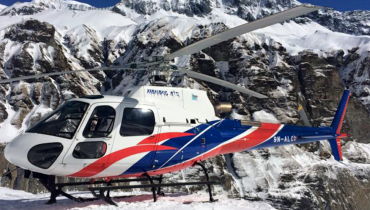
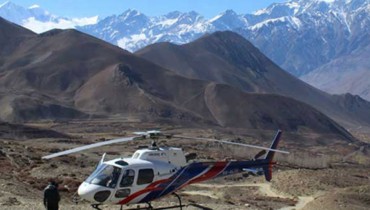
The senior pilgrim policies now offer an alternative for elderly devotees who cannot meet the physical demands of the trek. The introduction of aerial darshan provides helicopter-based viewing opportunities, allowing those above 70 to experience spiritual connection with the sacred mountain from the air. This compassionate approach ensures that age doesn't completely bar devoted pilgrims from their spiritual aspirations, though the experience differs from the traditional ground-based circumambulation (parikrama) around Mount Kailash.
Group Travel Regulations for NRIs
The Kailash Mansarovar Yatra 2026: Latest Permit Requirements & Policy Changes introduce specific NRI group travel rules that significantly affect how Non-Resident Indians can participate in this sacred pilgrimage. You need to understand these regulations if you're an NRI planning your spiritual journey.
Mandatory Group Formation Requirements:
● NRIs must organize themselves into groups of at least five members
● You cannot join existing Indian resident groups—NRIs must travel exclusively with other NRIs
● Each group requires collective documentation and coordinated permit applications
This policy creates unique planning challenges for NRI devotees. You'll need to coordinate with other NRIs well in advance, which can be difficult when living in different countries or time zones. The restriction prevents the flexibility of joining larger Indian groups, meaning you must invest considerable time finding fellow pilgrims who share your travel dates.
The regulation demands careful coordination among group members for documentation submission, medical clearances, and synchronized travel arrangements. You'll find that working with experienced agencies becomes essential to navigate these group-specific requirements efficiently.
Travel Permits and Documentation Essentials
The special travel permits Tibet Autonomous Region requirement stands as the most critical component of your 2026 Kailash Mansarovar journey. You cannot enter Tibet without these permits, regardless of having a valid Chinese visa. The China travel policy update mandates that all pilgrims obtain both the Group Tourist Visa and the Tibet Travel Permit before crossing into the Tibet Autonomous Region.
Your original passport becomes essential one month before your scheduled departure. You must submit it with minimum six months validity remaining from your travel date and at least two empty pages for visa stamps. This timeline isn't flexible—late submissions will result in processing delays that could jeopardize your entire pilgrimage.
Mandatory Documentation Checklist
You need to prepare and submit these documents for your Tibet tourism updates compliance:
● Valid passport (original, not photocopies)
● Recent passport-sized photographs (specific dimensions as per Chinese embassy requirements)
● Medical fitness certificate from a government-approved physician
● PAN card or equivalent tax identification document
● Completed visa application forms (both online and offline versions)
● Travel insurance covering high-altitude medical emergencies, which you can explore more about through resources like Travel Guard
● Bank statements demonstrating financial capability
● Hotel booking confirmations along your route
● Detailed itinerary approved by authorized travel agencies
The Mansarovar travel restrictions require you to keep multiple copies of all documents throughout your journey. Chinese authorities conduct document verification at multiple checkpoints between the Nepal-Tibet border and Mount Kailash. Missing even a single document can prevent you from continuing your pilgrimage, making meticulous preparation non-negotiable for your spiritual journey.
Route Updates and Border Regulations for 2026
The reopening of the Kodari-Zhangmu-Nyalam route is a significant development for pilgrims in 2026. This traditional pathway, which suffered extensive damage during devastating floods, has now been cleared for yatra operations. You'll find this route offers a more direct access point into Tibet, reducing overall travel time and providing better acclimatization opportunities at strategic elevation points.
Updates on the Kodari-Zhangmu-Nyalam Route
Chinese authorities have completed major infrastructure repairs along the Zhangmu corridor, addressing landslide-prone sections and reinforcing road stability. The route now features improved safety barriers and emergency rest stations at regular intervals. You should note that while the route is operational, certain sections still require careful navigation during monsoon months.
Current Status of the Rasuwagadhi-Kerung Border Crossing
The Rasuwagadhi-Kerung border crossing continues undergoing extensive restoration work. Tibet border regulations at this checkpoint have become more stringent, with enhanced security protocols and document verification procedures. Border officials now conduct thorough health screenings and permit validations before allowing entry into the Tibet Autonomous Region.
Key changes at border crossings include:
● Extended processing times at immigration checkpoints (2-3 hours minimum)
● Mandatory vehicle inspections and luggage screening
● Biometric registration requirements for all pilgrims
● Designated waiting areas with basic facilities
Benefits of Dual-Route Availability
The dual-route availability provides you with flexibility in planning your journey. Travel agencies like Amazing Nepal Trek actively monitor both border situations and adjust itineraries based on real-time conditions. They maintain direct communication channels with border authorities to ensure smooth crossings for their pilgrimage groups.
Important Reminders for Pilgrims
You must carry multiple photocopies of all permits and identification documents, as border officials retain copies at each checkpoint. The restoration efforts have introduced temporary traffic management systems, meaning specific time windows exist for convoy movements across the border.
Policy Intentions Behind New Regulations
The changes in the pilgrimage policy are based on carefully considered government objectives designed to protect both pilgrims and the sacred route itself. Chinese and Indian authorities have implemented these stricter regulations after analyzing years of yatra data and identifying critical areas requiring intervention.
Controlling Overcrowding on Sacred Routes
The Kailash Mansarovar circuit has seen a significant increase in the number of pilgrims over the past ten years. This surge has created dangerous bottlenecks at key points along the route, especially during peak season months. The new age restrictions and group size requirements directly address this challenge by:
● Limiting the total number of pilgrims who can travel during any given season
● Distributing travelers more evenly across available travel windows
● Reducing congestion at high-altitude checkpoints and accommodation facilities
Prioritizing Pilgrim Safety Through Enforcement
The improved permit system is a crucial safety mechanism. You'll notice that the stricter documentation requirements aren't bureaucratic obstacles—they're protective measures. The medical certificate mandate ensures you're physically prepared for the demanding high-altitude journey. The extended processing time allows authorities to conduct thorough background verification and assess each pilgrim's readiness.
The dual submission process creates a comprehensive database that helps rescue teams respond quickly during emergencies. When authorities know exactly who's on the route, they can coordinate evacuation efforts more effectively during sudden weather changes or medical crises.
Role of Travel Agencies in Navigating New Rules
The complexities introduced by new Tibet laws and travel rules China Tibet has implemented make partnering with an experienced operator essential for your 2026 pilgrimage. The dual submission process, extended visa timelines, and multi-layered permit requirements demand expertise that only seasoned agencies possess.
Amazing Nepal Trek brings years of specialized knowledge in managing the intricate documentation processes that now define the Kailash Mansarovar Yatra. Their team understands the nuances of both online and offline form submissions, ensuring your application moves through channels without delays or rejections. You won't need to decode bureaucratic language or chase multiple government offices—they handle everything on your behalf.
The travel agency role Kailash Mansarovar Yatra has evolved from simple tour coordination to comprehensive compliance management. Amazing Nepal Trek's services include:
● Document verification before submission to prevent common errors that cause rejections
● Direct liaison with Chinese and Nepalese authorities for permit processing
● Real-time updates on your application status through established government contacts
● Medical certificate coordination with approved healthcare providers
● PAN card and passport validation against current requirements
Their ground team in Kathmandu maintains relationships with Tibet Autonomous Region permit offices, expediting processes that typically confuse independent travelers. When new travel rules China Tibet introduces mid-season changes—as happened with recent border crossing updates—you receive immediate guidance on how these affect your journey.
Preparing for the Pilgrimage Ahead
The Kailash Mansarovar Yatra 2026: Latest Permit Requirements & Policy Changes demand your immediate attention and early preparation. With visa processing now extending to six working days and documentation requirements becoming more stringent, you need to start your planning at least three to four months before your intended departure date.
Your passport must have six months validity and two empty pages—submit it one month prior to travel. The medical certificate, PAN card, and dual visa submission process require careful coordination. You can't afford last-minute rushes with these new regulations.
Choosing the right travel partner makes all the difference. Amazing Nepal Trek brings years of high-altitude pilgrimage expertise, professional Sherpa guides, and complete knowledge of the Kailash Mansarovar Yatra 2026 summary requirements. They handle your permit applications, documentation compliance, and ground logistics from Nepal to Tibet, allowing you to focus entirely on your spiritual preparation.
Start your journey preparation today—your sacred pilgrimage deserves meticulous planning and trusted support.
FAQs (Frequently Asked Questions)
What are the latest permit requirements for the Kailash Mansarovar Yatra 2026?
For the 2026 Kailash Mansarovar Yatra, pilgrims must adhere to modified visa application processes including a dual submission of online and offline forms. The visa processing time has increased from 3-4 to 6 working days. Essential documents such as passports with at least six months validity, PAN cards, medical certificates, and photographs are mandatory. Additionally, special Tibet Autonomous Region permits are required.
Are there any age restrictions for pilgrims undertaking the Kailash Mansarovar Yatra in 2026?
Yes, pilgrims born in or after 1955 are eligible for the 2026 Yatra, and visas will not be issued to those above 70 years of age. For elderly devotees unable to undertake the physical journey, aerial darshan options have been introduced to ensure their spiritual participation.
What are the group travel regulations for NRIs participating in the Kailash Mansarovar Yatra 2026?
NRIs must form groups consisting of at least five members to participate in the 2026 Yatra. There is also a restriction preventing NRIs from joining Indian groups. These regulations impact planning and coordination among pilgrims and require careful group formation ahead of time.
What updates have been made regarding travel routes and border regulations for the 2026 pilgrimage?
The Kodari-Zhangmu-Nyalam route has reopened after flood-related closures, improving access for pilgrims. However, restoration efforts continue at the Rasuwagadhi-Kerung border crossing. These changes affect cross-border movement and overall yatra logistics for 2026.
How have costs changed for the Kailash Mansarovar Yatra in 2026, and is there any financial assistance available?
Tour package costs have increased due to higher visa and permit fees along with operational challenges. To assist pilgrims financially, several state governments like Gujarat are providing subsidies—for example, a support amount of INR 50,000—to help offset these increased expenses.
Why have new policies and stricter permit requirements been introduced for the Kailash Mansarovar Yatra in 2026?
The government aims to control overcrowding on pilgrimage routes and enhance safety and security through stricter permit enforcement. These policy changes ensure a safer spiritual journey by managing pilgrim flow effectively and complying with updated Tibet travel regulations.


 (1) (1).jpg)