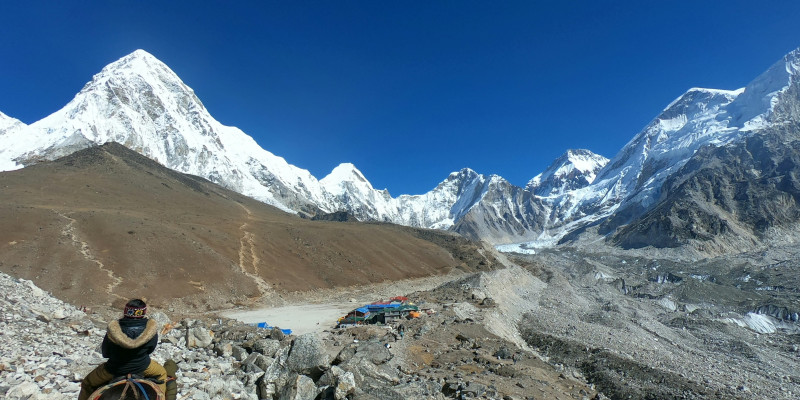
Discover the beauty of the Himalayas and the challenges of high-altitude trekking as you journey through the rugged terrain.
This 14-day everest itinerary promises breathtaking
views and an unforgettable experience.
Join us as we explore the majestic mountains and experience
the adventure of a lifetime.
My Decision to Embark on the Everest Adventure
The majestic Himalayas have always beckoned me to explore
their grandeur, and my Everest Base Camp journey was the ultimate
response to that call. The decision to embark on this adventure was not taken
lightly, as it involved careful consideration of several factors.
The Call of the Himalayas
The Himalayas, with their towering peaks and serene
landscapes, have a unique allure that draws adventurers from around the world.
For me, Everest trekking Nepal represented a chance to experience the
natural beauty and cultural richness of the region. The thought of trekking
through picturesque villages and witnessing the majestic Mount Everest up close
was a significant draw.
Why I Chose the 14-Day Itinerary
Selecting the right itinerary was crucial for a successful
trek. I opted for the 14-day Everest Base Camp journey because it
allowed for a more gradual acclimatization, reducing the risk of altitude
sickness. This duration also provided ample time to absorb the local culture
and enjoy the scenic beauty.
Setting Personal Goals for the Trek
As I prepared for the trek to Everest Base Camp, I
set personal goals that went beyond merely reaching the destination. I aimed to
challenge my physical limits, learn about the local culture, and document my
experiences for my Everest trek travel blog. Achieving these goals would
make the journey truly fulfilling.
Planning My Everest Base Camp Trek
Planning is crucial for the Everest Base Camp trek,
involving considerations of the best time to visit, trekking options, and
necessary documentation. A well-planned trip ensures a safer and more enjoyable
experience.
Best Seasons for the Trek
The best time for the Everest Base Camp trek is
during the pre-monsoon (spring) season from March to May and the post-monsoon
(autumn) season from September to November. These periods offer stable weather
conditions and clear mountain views.
Guide vs. Independent Trekking
Deciding between guided trekking and independent
trekking depends on experience and personal preference. Guided treks offer
local expertise and logistical support, enhancing safety and the overall
experience.
Budgeting for the Journey
Budgeting for the Everest Base Camp trek involves
considering costs such as permits, guides, accommodations, and food. A thorough
budget plan helps in managing expenses effectively.
Required Permits and Documentation
Understanding the required permits and documentation is
vital. This includes the Sagarmatha National Park entry permit and the Khumbu
Pasang Lhamu Rural Municipality permit, among others.
Physical and Mental Preparation
The Everest Base Camp trek is a significant
undertaking that demands thorough physical and mental preparation. Adequate
preparation is key to ensuring a successful and enjoyable journey.
Training Regimen for High Altitude
A well-structured training regimen is crucial for
high-altitude trekking. This includes cardiovascular exercises such as
running, cycling, or swimming to improve endurance. Incorporating strength
training to build muscular resilience is also beneficial. It's recommended to
start training at least 2-3 months prior to the trek.
Mental Conditioning
Mental preparation is just as important as physical
training. Techniques such as meditation and mindfulness can help build
mental toughness. Visualizing the trek and setting achievable goals can also
enhance mental resilience.
Medical Check-ups and Vaccinations
Before embarking on the trek, it's essential to undergo a
thorough medical check-up. Ensuring you're up-to-date with all necessary
vaccinations is also critical. Consult your doctor about any specific health
concerns related to high-altitude trekking.
Altitude Sickness Prevention Strategies
Understanding and preventing altitude sickness is vital.
Strategies include gradual acclimatization, staying hydrated, and recognizing
early symptoms. Medications like Diamox can be prescribed by a doctor to help
prevent altitude sickness.
Essential Packing List for the 14-Day Everest Trek
A well-planned packing list is crucial for a successful and
enjoyable Everest Base Camp trek. The right gear and essentials can make a
significant difference in your overall experience.
Clothing and Layering System
Packing the right clothing is vital for adapting to the
varying temperatures on the Everest trek. A good layering system includes a
base layer for moisture-wicking, an insulating layer for warmth, and a
waterproof outer layer. Consider breathable and quick-drying fabrics to
keep you comfortable.
Technical Gear and Equipment
Technical gear such as trekking poles, crampons, and a first
aid kit are essential for safety and navigating challenging terrain. Ensure
your gear is durable and suitable for high-altitude conditions.
Medications and First Aid Essentials
For high-altitude trekking, it's crucial to pack medications
for altitude sickness, pain relief, and any personal medical needs. A
well-stocked first aid kit should include essentials like bandages, antiseptic
wipes, and blister care.
Electronics and Charging Solutions
With the need to document your journey and stay connected,
packing the right electronics is key. Bring a waterproof camera,
portable charger, and power bank to keep your devices charged throughout the
trek.
The Journey Begins: Kathmandu to Lukla
As I embarked on my Nepal trekking adventure, the
excitement was palpable from the moment I arrived in Kathmandu. The
vibrant streets, filled with the sounds of prayer flags and the aroma of
incense, set the tone for the journey ahead.
Navigating Kathmandu
Kathmandu, the capital city of Nepal, is a bustling
metropolis with a rich cultural heritage. As I navigated through the crowded
streets, I was struck by the contrast between the modern and the ancient. From
the historic temples to the contemporary cafes, Kathmandu is a city that
seamlessly blends tradition with modernity.
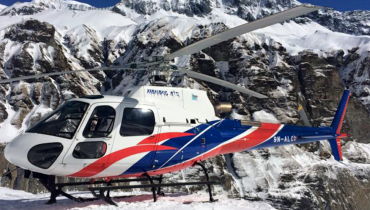
The Heart-Pounding Lukla Flight
The flight from Kathmandu to Lukla is an adventure in
itself. As I boarded the small aircraft, I felt a mix of excitement and
apprehension. The Lukla flight, known for its thrilling takeoff and
landing, offered breathtaking views of the Himalayas, setting my spirits high
for the trek ahead.
First Steps on the Khumbu Trail
Upon landing in Lukla, I took my first steps on the Khumbu
Trail, feeling a sense of accomplishment and anticipation. The trail,
surrounded by majestic mountains and picturesque villages, beckoned me to
explore the beauty of the Everest region. As I began my journey, I was filled
with a sense of wonder and excitement for the Everest Base Camp journey
ahead.
Day-by-Day Everest Base Camp Trek Itinerary
The Everest Base Camp trek, spread over 14 days, is a
Himalayan odyssey that promises unforgettable landscapes and memories. This
detailed day-by-day breakdown will guide you through the journey, from the
initial excitement in Lukla to the triumphant moment at Kala Patthar.
Days 1-3: Lukla to Namche Bazaar
The trek begins with a thrilling flight to Lukla, followed
by a gradual ascent through the Khumbu region's picturesque villages and lush
forests, finally reaching Namche Bazaar, a bustling Sherpa town. Acclimatization
is crucial during these initial days, with a rest day in Namche Bazaar to
adjust to the high altitude.
Days 4-6: Acclimatization and Trek to Dingboche
After Namche Bazaar, the trail continues to Tengboche, a
spiritual hub with a famous monastery, before reaching Dingboche, known for its
stunning valley views. Acclimatization days are vital to prevent
altitude sickness, allowing trekkers to enjoy the serene landscapes.
Days 7-9: Advancing to Gorak Shep and Base Camp
The journey progresses to Lobuche and then Gorak Shep, the
last settlement before Everest Base Camp. Trekkers then hike to Everest Base
Camp, a moment of great achievement, surrounded by the majestic Himalayas.
Days 10-14: Kala Patthar Summit and Descent
The highlight of the trek is the early morning ascent to
Kala Patthar, offering a breathtaking sunrise over Everest. After
soaking in the views, the journey begins its descent, retracing steps back
through the Khumbu region, with memories of the adventure forever etched in the
mind.
This 14-day Everest Base Camp trek itinerary is a journey of
discovery, not just of the Himalayas, but also of personal limits and the rich Sherpa
culture. With proper preparation and a guided approach, this trek is an
achievable adventure for many, leaving a lasting impression.
Sunrise Magic from Kala Patthar
Witnessing the sunrise from Kala Patthar is an
unforgettable experience. The golden light casting over the Himalayan giants,
including Everest, is a sight that will leave you speechless.
Standing at Everest Base Camp
Reaching Everest Base Camp is a moment of immense
pride and satisfaction. Standing at the foot of the highest mountain in the
world, surrounded by the majestic Himalayas, is an experience that resonates
deeply.
The Magnificent Khumbu Icefall
The Khumbu Icefall, with its towering ice formations,
is a breathtaking spectacle. This natural wonder is both beautiful and
humbling, reminding trekkers of the power and beauty of nature.
Each of these highlights contributes to the unforgettable
experience of the Everest Base Camp trek, making it a journey that is as
enriching as it is challenging.
Overcoming Challenges on the Everest Trek
The journey to Everest Base Camp is fraught with challenges,
from altitude sickness to unpredictable weather, but with the right mindset,
you can overcome them.
Trekking to Everest Base Camp is a significant undertaking
that requires careful preparation and a resilient attitude. One of the primary
challenges trekkers face is altitude sickness, a condition that can
affect anyone, regardless of their physical fitness level.
Battling Altitude Effects
To mitigate the effects of high altitude, it's crucial to
follow a gradual ascent itinerary, allowing your body to acclimatize. The altitude
and acclimatization during Everest trek are critical factors that determine
the success of your journey. Drinking plenty of water, avoiding strenuous
activities during the initial days, and being aware of the symptoms of altitude
sickness are essential high-altitude trekking tips.
Enduring Physical Exhaustion
The physical demands of trekking to Everest Base Camp should
not be underestimated. The high altitude, coupled with the need to carry a
backpack, can lead to significant physical exhaustion. To combat this,
maintaining a regular training regimen before embarking on your trek is
vital. This should include cardiovascular exercises, strength training, and
flexibility workouts.
Adapting to Unpredictable Weather
The weather in the Himalayas is notoriously unpredictable.
Trekkers must be prepared for sudden changes in weather, including snowstorms
and high winds. Packing appropriate gear, such as waterproof clothing
and insulated layers, is crucial for adventure trekking in Nepal.
Prime Photography Locations
The Everest trek offers numerous prime photography
locations, including the Tengboche Monastery, Kala Patthar, and Everest
Base Camp. Each location provides a unique perspective on the Himalayas and
the local culture.
Conclusion: Lessons from My Himalayan Journey
My 14-day Everest Base Camp trek was more than just a
journey to the foot of the world's highest mountain; it was a transformative
experience that tested my limits and broadened my perspective. As I reflect on
my everest base camp personal travel story, I'm reminded of the
invaluable lessons I learned along the way.
From the rugged trails to the warm hospitality of the Sherpa
people, my everest base camp trek experience was a true adventure. I
learned to appreciate the beauty of simplicity, the importance of resilience,
and the value of community. The trek taught me to be present in the moment, to
respect the power of nature, and to push beyond my perceived limits.
The lessons from everest trek will stay with me long
after I've descended from the mountains. They remind me that, with
determination and the right mindset, I can overcome even the most daunting
challenges. As I look back on my journey, I'm filled with a sense of pride and
a renewed sense of purpose, ready to apply these lessons to the next adventure
that comes my way.
FAQ
What is the best time to trek to Everest Base Camp?
The best seasons for trekking to Everest Base Camp are
spring (March to May) and autumn (September to November), when the weather is
generally clear and stable, offering breathtaking views of the Himalayas.
Do I need a guide to trek to Everest Base Camp?
While it's possible to trek independently, hiring a guide is
highly recommended due to the challenging terrain, altitude risks, and the need
for local knowledge. Guides can enhance your experience, ensure safety, and
provide insights into Sherpa culture.
How do I prepare for altitude sickness during the Everest Base Camp trek?
To prevent altitude sickness, it's crucial to ascend
gradually, allowing your body to acclimatize. Stay hydrated, avoid strenuous
activities during the initial days, and consider consulting a doctor about
medication. Understanding the symptoms and being aware of your body's response
to altitude is key.
What should I pack for the 14-day Everest Base Camp trek?
Pack layers of clothing for varying temperatures, sturdy
trekking boots, a first aid kit, and essential gear like a water bottle,
sunglasses, and a down jacket. Don't forget personal hygiene items, a portable
charger, and a camera to capture the stunning landscapes.
What is the difficulty level of the Everest Base Camp trek?
The Everest Base Camp trek is considered moderately
challenging due to the high altitude and the need for several hours of walking
each day. Prior trekking experience is beneficial, but not necessary if you're
reasonably fit and prepared.
Can I fly directly to Lukla from Kathmandu?
Yes, flights from Kathmandu to Lukla are available, offering
a thrilling start to your trek. However, flight schedules can be affected by
weather conditions, so flexibility is essential.
What are the highlights of the Everest Base Camp trek?
Highlights include the spiritual experience at Tengboche
Monastery, witnessing the sunrise from Kala Patthar, standing at Everest
Base Camp, and viewing the majestic Khumbu Icefall. The trek also offers
insights into Sherpa culture and stunning Himalayan landscapes.
How much does the Everest Base Camp trek cost?
The cost varies widely depending on whether you trek
independently or with a guided tour, accommodation choices, and other factors
like food and gear rental. Budgeting for guides, permits, flights, and
contingencies is essential.
Are there any specific vaccinations required for trekking in Nepal?
Consult your doctor or a travel clinic for the most current
advice on vaccinations. Generally, vaccinations against hepatitis A, typhoid,
and rabies are recommended for travel to Nepal.
What is the accommodation like during the Everest Base Camp trek?
Accommodation is primarily in tea houses, which offer basic
but comfortable lodging and meals. The facilities become more rudimentary as
you ascend higher, but the warm hospitality of the Sherpa people makes the
experience memorable.


 (1) (1).jpg)