Nepal's proposed Tourism Bill2025 is set to introduce
significant changes to the climbing community. A key requirement for
climbers aiming to summit Mount Sagarmatha (Mt. Everest) is to have
successfully summited a peak at least 7,000 meters high before attempting the
highest mountain in the world. This new regulation aims to ensure a
safe and successful climb.
The new rules under the Tourism Bill2025 will have a
significant impact on the climbing community. Climbers will need to be
aware of these changes to prepare accordingly. Understanding the climbing
requirements and regulations is crucial for a successful summit.
Understanding Nepal's Tourism Bill 2025
With the introduction of the Tourism Bill2025, Nepal is
taking a significant step towards safer and more sustainable climbing practices
on Mt. Everest, also known as Mount Sagarmatha. This new
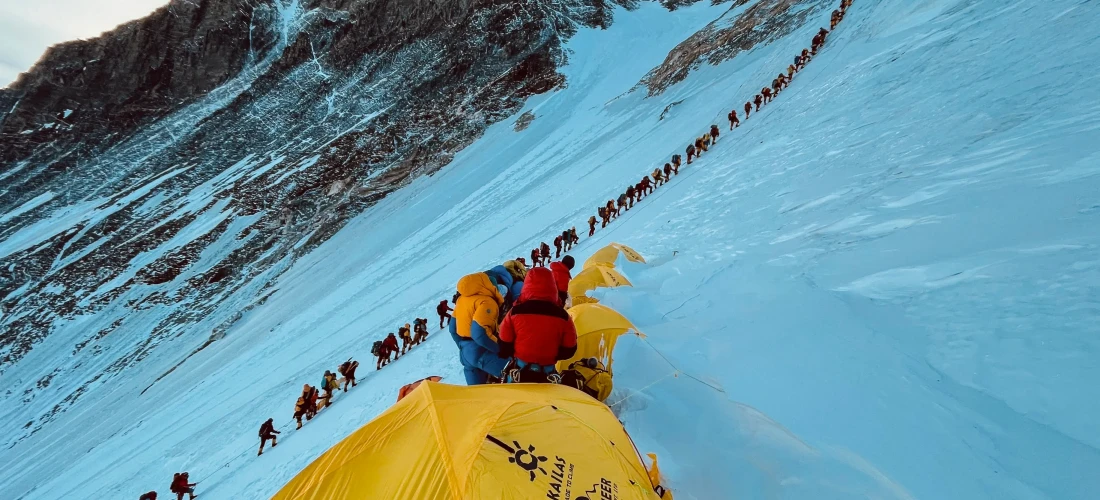
legislation aims to address the rising concerns regarding overcrowding,
safety, and environmental impact on the mountain.
Key Changes in the New Legislation
The Tourism Bill2025 introduces several key changes to the
existing climbing regulations. One of the most significant changes is
the mandatory 7,000-meter summit requirement for climbers attempting Mt.
Everest. This change is designed to ensure that climbers have the necessary
experience and skills to tackle the mountain safely.
Additionally, the new bill includes stricter guidelines for
climbing operators and guides, emphasizing the importance of safety protocols
and environmental stewardship. These changes are expected to enhance the
overall climbing experience and reduce the risks associated with
high-altitude mountaineering.
The 7,000-Meter Summit Requirement Explained
The 7,000-meter summit requirement is a critical
component of the Tourism Bill2025. By requiring climbers to have prior
experience at such high altitudes, the Nepalese government aims to minimize the
risks associated with inexperienced climbers on Mt. Everest. This
requirement is expected to lead to a safer and more responsible climbing
community.
Goals Behind the New Regulations
The primary goals behind the new regulations are to address overcrowding,
improve safety, and mitigate the environmental impact of mass tourism on
Mt. Everest. By implementing these changes, Nepal hopes to preserve the
integrity of the mountain and ensure that climbing remains a sustainable and
enjoyable activity for future generations.
The Tourism Bill2025 represents a significant step forward
in managing the challenges associated with climbing Mt. Everest. As the
climbing community adapts to these new regulations, it is expected that the
overall experience of climbing the world's highest mountain will become safer,
more sustainable, and more rewarding.
Why These New Rules for Mt. Everest Climbers Were Introduced?
Nepal's government has implemented new rules for
climbing Mt. Everest, addressing pressing issues on the mountain. The rising
number of climbers has led to significant concerns regarding safety,
environmental degradation, and the overall integrity of the mountain.
Addressing Overcrowding on Sagarmatha
Mt. Everest, known as Sagarmatha in Nepali, has seen a surge
in climbers in recent years, resulting in overcrowding on the mountain.
This overcrowding not only hampers the climbing experience but
also increases the risk of accidents. The new regulations aim to manage the
number of climbers and ensure a safer, more enjoyable experience for all.
Safety Concerns and Recent Incidents
The increasing number of climbers on Mt. Everest has raised
significant safety concerns. Recent incidents, including fatalities and
near-misses, have highlighted the need for stricter safety measures. The new
rules are designed to enhance climber safety by ensuring that only
well-prepared climbers are allowed to attempt the summit.
Environmental Impact of Mass Tourism
The environmental impact of mass tourism on Mt.
Everest is a growing concern. The large number of climbers and support staff
results in significant waste and pollution on the mountain. The new regulations
include measures to mitigate this impact, such as stricter waste management
practices and the requirement for climbers to bring back their waste.
Preserving the Mountain's Integrity
Preserving the integrity of Mt. Everest is crucial,
not just for the climbing community but for the environment and local
ecosystems. The new rules aim to balance the needs of climbers with the
need to protect the mountain's fragile environment. By ensuring that climbers
are properly prepared and that the number of climbers is managed, the
regulations help preserve the mountain's integrity for future generations.
The introduction of these new rules marks a significant step
towards making Mt. Everest climbing safer and more sustainable. By addressing
overcrowding, enhancing safety measures, mitigating environmental impact,
and preserving the mountain's integrity, Nepal's government is working to
ensure that Mt. Everest remains a revered and accessible destination for
climbers worldwide.
Practical Implications for Aspiring Everest Climbers
Climbers aiming for Everest must understand the practical
implications of the new bill. The new regulations will significantly impact how
climbers prepare and plan for their expeditions.
Alternative 7,000m+ Peaks to Consider
Aspiring Everest climbers may want to consider
alternative 7,000-meter peaks that could satisfy their climbing
ambitions while adhering to the new regulations. Peaks like Lhotse and
Makalu offer similar climbing challenges and breathtaking views.
Exploring these alternatives can provide climbers with
valuable experience and a deeper understanding of high-altitude climbing.
Additional Preparation Requirements
The new bill mandates that climbers have experience with 7,000-meter
peaks. This requirement means that climbers will need to gain additional
experience before attempting Everest. Climbers should focus on building
their climbing resume by tackling other high-altitude peaks.
This preparation will not only enhance their climbing skills
but also improve their overall climbing experience and preparedness
for the challenges Everest poses.
Timeline for Implementation
Understanding the timeline for the implementation of the new
regulations is crucial for climbers planning their next expedition. The new
rules are set to be enforced starting from the 2025 climbing season.
Climbers should plan accordingly, ensuring they meet the new
requirements before attempting to climb Everest.
Cost Implications for Expedition Planning
The new regulations will also have cost implications
for expedition planning. Climbers may need to budget for additional climbs to
meet the 7,000-meter peak requirement, potentially increasing their overall
expenses.
It's essential for climbers to factor these costs into their
planning to avoid any financial surprises.
Impact on Nepal's Tourism Industry and Climbing Community
The introduction of the new tourism bill in 2025 is expected
to reshape the climbing experience on Mt. Everest. This change will have
far-reaching implications for both the climbing community and Nepal's tourism
industry.
Economic Considerations for Nepal
The new regulations will likely have significant economic
implications for Nepal. The tourism industry is a major contributor to
Nepal's GDP, and any changes to the climbing regulations will affect
local businesses that rely on tourism.
Revenue Impact: The introduction of stricter climbing
regulations may lead to a reduction in the number of climbers attempting
Mt. Everest, potentially impacting revenue for local businesses such as guides,
porters, and lodge owners.
Response from Local Climbing Operators
Local climbing operators are likely to be significantly
affected by the new regulations. Many have expressed concerns about the
potential impact on their businesses.
International Climbers' Reactions
The international climbing community has been vocal about
the new regulations, with some expressing concerns about the additional
requirements and costs associated with climbing Mt. Everest.
Climbing Community Feedback: Many climbers have
welcomed the changes, citing the need for more stringent regulations to ensure
safety and reduce overcrowding on the mountain.
How the Changes May Improve the Climbing Experience?
The new regulations are expected to improve the overall
climbing experience by reducing overcrowding and enhancing safety measures.
Better Climbing Conditions: With fewer climbers on
the mountain, the risk of accidents and congestion on the climbing routes is
likely to decrease, making for a more enjoyable and safer experience.
Conclusion: The Future of Everest Climbing Under the New Regulations
The new Tourism Bill 2025 is set to revolutionize mountaineering
in Nepal, particularly for climbers attempting Mt. Everest. By introducing
stricter climbing regulations, the Nepalese government aims to reduce risks
associated with high-altitude climbing and promote a safer, more sustainable
climbing experience.
The new rules, which include a requirement for climbers to
have prior experience on a 7,000-meter peak, are expected to minimize
overcrowding and enhance the overall climbing experience on Mt. Everest. This
move is likely to have a positive impact on risk reduction, as more
experienced climbers are better equipped to handle the challenges of
high-altitude mountaineering.
As the climbing community adapts to these new regulations,
the future of Everest climbing looks promising. With a focus on experienced
climbers and sustainable practices, the Nepalese government is poised to
preserve the integrity of the mountain while promoting responsible mountaineering
in Nepal.
FAQ
What is the new requirement for climbers attempting to summit Mt. Everest
under Nepal's Tourism Bill2025?
Climbers must have successfully summited a peak at least 7,000
meters high before attempting Mt. Everest.
Why was the 7,000-meter summit requirement introduced in the new Tourism
Bill 2025?
The requirement aims to address rising overcrowding on Mt.
Everest, highlighting safety concerns and environmental impact.
What are the goals behind the new regulations in Nepal's Tourism Bill 2025?
The new regulations aim to ensure climbers are properly
prepared for Everest's challenges, reducing risks and preserving the mountain's
integrity.
What alternative 7,000-meter peaks can climbers consider to meet the new
requirement?
Climbers can consider alternative 7,000-meter peaks in
Nepal, such as Dhaulagiri, Manaslu, or Lhotse, to gain the necessary
experience.
How will the new regulations impact the cost of expedition planning for Mt.
Everest?
The new regulations may increase the cost of expedition
planning as climbers may need to undertake additional climbs to meet the
7,000-meter requirement.
What is the expected timeline for the implementation of Nepal's Tourism
Bill2025?
The exact timeline for implementation is not specified, but
climbers should be prepared for the new regulations to come into effect in the
near future.
How will the new regulations affect Nepal's tourism industry and local
climbing operators?
The new regulations are expected to have a significant
impact on Nepal's tourism industry and local climbing operators,
potentially leading to changes in business practices and revenue streams.
What are the potential benefits of the new regulations for the climbing
community?
The new regulations may lead to a safer and more sustainable
climbing experience on Mt. Everest, with better-prepared climbers and reduced
environmental impact.


 (1) (1).jpg)