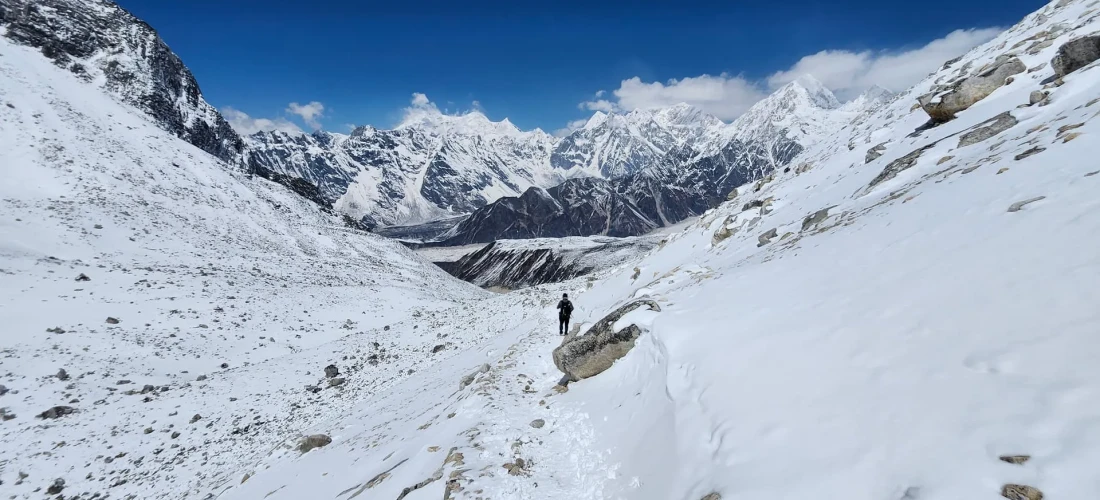
The Manaslu Circuit Trek winds around Mount Manaslu, the world's eighth-highest peak soaring above 8,000 meters, offering you an authentic Himalayan adventure through ancient villages and untouched landscapes. This trek has gained significant traction among adventurers seeking an alternative to the crowded trails of Everest Base Camp and Annapurna Base Camp, though strict permit requirements and government regulations keep the route relatively pristine. The journey presents moderate difficulty, requiring no technical climbing skills but demanding solid physical fitness and mental preparation. You'll face the challenge of reaching Larkya La Pass at 5,160 meters, walking 8-10 hours daily for 11-14 days through varying terrain and altitude zones.
Understanding the Manaslu Circuit Trek difficulty isn't just about gauging your fitness level—it's about recognizing altitude sickness risks, weather unpredictability, and the physical demands of high-altitude trekking. Proper Manaslu Circuit Trek preparation directly impacts your safety and enjoyment throughout this remarkable journey.
Understanding the Manaslu Circuit Trek Route and Terrain
The Manaslu Circuit Trek winds through diverse landscapes around Mount Manaslu, starting from the lower regions and ascending through culturally rich villages. Your journey typically begins at Jagat (1,340m), where you'll encounter exposed landslides and narrow trails carved along cliff faces. From here, the path leads through Deng, where rocky terrain and forested sections dominate the landscape.
As you progress toward Namrung (2,660m), the trail alternates between dense rhododendron forests and open valleys with spectacular mountain views. The villages of Lho and Samagaun sit at higher elevations, offering your first real taste of thin air and Tibetan Buddhist culture. These settlements serve as crucial acclimatization points before the most demanding sections.
The terrain varies significantly across different zones:
- Lower sections feature muddy trails, river crossings, and landslide-prone areas near Machha and Jagat
- Middle regions present rocky paths, suspension bridges, and gradual ascents through pine forests
- Upper sections demand navigation of snow-covered trails, glacial moraines, and exposed ridges
Dharamsala (4,460m) marks the beginning of the trek's most challenging segment. You'll face steep climbs on loose scree and limited oxygen levels. The Larkya La Pass at 5,160m represents the trek's highest point, where icy conditions, strong winds, and altitude combine to test your endurance. The descent to Bhimtang involves navigating steep, rocky switchbacks that require careful footing and concentration.
Altitude Challenges on the Manaslu Circuit Trek
Understanding Altitude Sickness on the Manaslu Trek
Altitude sickness on the Manaslu trek becomes a real concern once you cross the 2500m threshold. Your body starts demanding more oxygen, and the air pressure drops significantly. The critical zone lies between 2500m and 3500m, where most trekkers experience their first symptoms: persistent headaches, nausea, difficulty breathing, and poor sleep quality that leaves you exhausted despite resting.
The Impact of the Manaslu Circuit Trek Altitude Profile
The Manaslu Circuit Trek altitude profile creates particularly challenging scenarios. When you move from Samagaun (3,530m) to Dharamsala (4,460m), you're gaining nearly 1,000 meters in a single day. This rapid ascent doesn't give your body adequate time to produce the extra red blood cells needed for oxygen transport. You'll notice your breathing becomes labored, your heart races during simple tasks, and sleep becomes frustratingly elusive.
Recognizing Symptoms of Altitude Sickness
Recognizing altitude sickness symptoms early saves lives:
- Throbbing headache that doesn't respond to painkillers
- Loss of appetite accompanied by nausea or vomiting
- Dizziness and unusual fatigue even after minimal exertion
- Difficulty maintaining balance while walking
Managing Risks on the Manaslu Circuit Trek
Managing these risks requires deliberate action. You need to maintain a slow, steady pace regardless of how strong you feel. Drinking 4-5 liters of water daily helps your blood circulation. When symptoms appear, you must communicate immediately with your guide—descending even 300-500 meters can reverse dangerous conditions. The altitude affects trekking experience dramatically, turning what should be an enjoyable journey into a medical emergency if you ignore warning signs.
Physical Fitness Requirements for the Manaslu Circuit Trek
Physical fitness for Manaslu trek demands serious preparation before you set foot on the trail. You'll walk 8-10 hours daily for 11-14 days straight, covering distances of 8-10 kilometers over rocky, uneven terrain that tests every muscle in your body.
Your legs bear the brunt of this journey. Strong quadriceps, hamstrings, and calves become essential as you navigate steep ascents and descents through challenging sections. I recommend dedicating 5-7 hours daily to walking with a weighted backpack during your training phase. Bodyweight squats strengthen the specific muscles you'll rely on when climbing toward Larkya La Pass.
Cardiovascular endurance separates those who struggle from those who thrive at high altitude. Build your stamina through:
- Jogging - Start with 30-minute sessions and gradually increase to 60 minutes
- Cycling - Long-distance rides condition your legs for sustained effort
- Swimming - Full-body workout that builds lung capacity
- Running - Interval training improves your ability to handle varied terrain
- Skipping - Quick cardio sessions that strengthen ankles and calves
How Difficult Is the Manaslu Circuit Trek? The answer depends largely on your preparation. You need at least 3-4 months of consistent training to handle the physical demands safely.
Mental Preparation for High Altitude Trekking
Mental preparation for high altitude trekking separates successful summits from abandoned attempts. You'll face psychological challenges that test your limits far beyond physical exhaustion—isolation in remote villages, uncertainty about your body's response to thin air, and the mental fog that accompanies oxygen deprivation.
Building mental resilience starts with self-control over your thoughts and emotions. When altitude sickness symptoms appear or weather conditions deteriorate, panic becomes your greatest enemy. You need to develop techniques that keep your mind focused on the present moment rather than catastrophizing about what might go wrong.
Practice visualization exercises before your trek. Imagine yourself successfully navigating difficult sections like Larkya La Pass, breathing steadily through discomfort, and maintaining composure when your body screams for rest. This mental rehearsal creates neural pathways that help you respond calmly during actual challenges.
Motivation strategies become critical during those 8-10 hour walking days. Break the trek into smaller milestones—reaching the next tea house, completing another hour, or simply taking 100 more steps. You'll discover that your mind gives up long before your body actually reaches its limits.
Weather Conditions Impacting Trek Difficulty
The weather conditions on the Manaslu Circuit Trek can vary greatly depending on when you go. Late autumn (October-November) usually has stable, clear skies but cold temperatures dropping to -15°C at higher altitudes. Early spring (March-April) brings warmer days but also unpredictable snowfall in the afternoons.
Effects of Rain and Snow
Rain can make the lower trails between Jagat and Namrung muddy and slippery, while snow buildup at Larkya La Pass can significantly increase the difficulty level. You'll experience sudden drops in temperature of 10-15°C within hours as you climb from Samagaun to Dharamsala, which can affect your breathing and energy levels.
Challenges in Upper Regions
The upper areas above 4,000m are prone to strong winds exceeding 40 km/h, making it hard to see even just a few meters ahead. When the trails are covered in snow, you need to be extra careful on exposed sections as this can add an extra 2-3 hours to your daily walking time. The combination of high altitude and unpredictable weather creates a tough environment that tests the endurance and decision-making skills of even the most experienced trekkers.
Role of Licensed Guides in Enhancing Safety and Navigation
How Difficult Is the Manaslu Circuit Trek? The answer partly depends on whether you have a skilled Nepalese guide Manaslu Circuit Trek by your side. Nepal's government mandates that you hire a licensed guide to obtain the necessary permits—RAP (Restricted Area Permit), MCAP (Manaslu Conservation Area Permit), and ACAP (Annapurna Conservation Area Permit). This isn't just bureaucratic red tape; it's a safety measure that protects you on this challenging route.
Your licensed guide brings professional expertise that proves invaluable when weather suddenly shifts or emergencies arise at high altitude. These guides remain calm during dangerous situations, making quick decisions about whether to push forward, wait out a storm, or turn back. They manage your meals and accommodation, advise you on proper hydration (4-5 liters daily), and warn against alcohol and cigarettes that compromise acclimatization. A professional guide monitors your physical condition, recognizes early altitude sickness symptoms, and knows evacuation routes if medical intervention becomes necessary.
Permit Requirements and Legal Considerations
You cannot legally trek the Manaslu Circuit without securing three essential permits:
- The RAP permit Manaslu trek (Restricted Area Permit) costs approximately $100 per person for the first week and $15 per day thereafter during peak seasons.
- The MCAP (Manaslu Conservation Area Project) permit at $30.
- The ACAP (Annapurna Conservation Area Project) permit at $30, as the trail crosses both conservation zones.
Nepal's government mandates that you obtain these permits through authorized agencies—you cannot apply individually. This regulation applies to all remote treks in Nepal within restricted zones.
Tour operators like Access Nepal Tour and Treks handle the entire permit application process, submitting your passport copies, photos, and trek itinerary to the Nepal Tourism Board and Department of Immigration. The processing typically takes 2-3 business days in Kathmandu, so you'll want to arrange this before your trek departure date.
Essential Packing Tips for Managing Difficulty
Smart packing tips for Manaslu trek can significantly reduce the physical strain you'll experience during those grueling 8-10 hour walking days. You want to keep your backpack weight manageable while ensuring you have everything needed for survival at extreme altitudes.
Layered Clothing System:
- Base layer: moisture-wicking thermal underwear
- Mid layer: fleece or down jacket for insulation
- Outer layer: waterproof and windproof shell jacket
- Insulated pants for temperatures dropping below freezing at Larkya La Pass
Essential Safety and Comfort Items:
- Sleeping bag rated for -15°C to -20°C
- Quality trekking boots with ankle support for rocky terrain
- Trekking poles to reduce knee strain on steep descents
- Headlamp with extra batteries
- First aid kit with altitude sickness medication
- Water purification tablets or filter
- High SPF sunscreen and lip balm
You should create a detailed packing list and check items off before departure. Overpacking adds unnecessary weight that drains your energy, while underpacking can leave you vulnerable to harsh mountain conditions. Keep your valuables organized and accessible throughout the journey.
Can Beginners Attempt the Manaslu Circuit Trek?
How Difficult Is the Manaslu Circuit Trek?
The difficulty level of the Manaslu Circuit Trek for first-time high-altitude trekkers depends heavily on your commitment to preparation. If you dedicate several months to training and gain experience from other beginner friendly high altitude treks Nepal offers, such as shorter routes in the Annapurna or Langtang regions, you can successfully complete this journey as a beginner.
Your success hinges on three critical factors:
- Physical conditioning: You need to undergo consistent cardiovascular training and strength exercises for 5-7 hours daily.
- Acclimatization experience: It's essential to complete at least one trek above 3,500 meters before attempting Manaslu.
- Discipline: Follow your guide's advice regarding pace, hydration (4-5 liters daily), and avoiding alcohol or cigarettes.
You'll need to accept that walking 8-10 hours per day at high altitude requires genuine passion for trekking. The combination of proper training, experienced guidance from companies like Access Nepal Tour and Treks, and mental preparation transforms this challenging route into an achievable goal. Your willingness to invest in preparation determines whether you'll struggle or thrive on the trail.
Conclusion
How Difficult Is the Manaslu Circuit Trek? The answer lies in your preparation, not just the trail itself. You can manage the physical demands through consistent training, proper acclimatization, and smart pacing. The raw beauty Manaslu Circuit Trek experience rewards every challenging step with pristine mountain vistas, authentic cultural encounters, and personal transformation.
Your success depends on three pillars:
- Physical readiness through cardiovascular and strength training
- Mental resilience to handle altitude and remote conditions
- Professional guidance from licensed experts who prioritize your safety
Access Nepal Tour and Treks brings 13+ years of expertise to simplify your journey through this untouched Himalayan region. You'll walk through ancient villages, cross high passes, and witness snow-covered peaks while their experienced guides handle logistics, safety protocols, and emergency responses.
The Manaslu Circuit challenges you, but it doesn't defeat prepared trekkers. You have the tools, knowledge, and support systems to complete this soulful adventure responsibly. Start your training today, and you'll stand at Larkya La Pass experiencing the raw magnificence that makes this trek unforgettable.
FAQs (Frequently Asked Questions)
How difficult is the Manaslu Circuit Trek for beginners?
The Manaslu Circuit Trek presents a moderate to high level of difficulty due to its challenging terrain, high altitude passes like Larkya La at 5160m, and varying weather conditions. However, with proper physical fitness preparation, mental resilience, and guidance from licensed Nepalese guides, beginners can safely attempt this trek.
What are the main physical fitness requirements for the Manaslu Circuit Trek?
Strong leg muscles and endurance are essential for tackling long walking days over rocky and uneven trails. Cardiovascular exercises such as jogging, cycling, and swimming are recommended to build stamina. Physical preparation should focus on strength training and aerobic conditioning to manage the trek's challenges effectively.
How does altitude sickness affect trekkers on the Manaslu Circuit Trek and how can it be managed?
Altitude sickness commonly occurs between elevations of 2500m and 3500m, affecting oxygen levels and sleep quality, especially during sudden altitude changes like from Samagaun to Dharamsala. Trekkers should recognize symptoms early and use strategies such as gradual acclimatization, hydration, rest, and seeking expert advice to manage altitude sickness safely.
What role do licensed guides play in enhancing safety during the Manaslu Circuit Trek?
Licensed Nepalese guides are crucial for legal permit compliance (RAP/MCAP/ACAP) and provide expert navigation across challenging terrains. Their experience allows quick decision-making during sudden weather changes or emergencies, ensuring trekkers' safety throughout the journey.
What are the essential packing tips for managing the difficulty of the Manaslu Circuit Trek?
Packing lightweight yet essential gear reduces physical strain. Trekkers should include layered clothing suitable for cold temperatures at higher altitudes, safety gear, and items that protect against rain or snow. Proper packing helps maintain comfort and preparedness in variable weather conditions.
Yes, trekkers must obtain permits such as the Restricted Area Permit (RAP) or other relevant permits through authorized agencies or tour operators like Access Nepal Tour and Treks. These legal requirements ensure regulated access to remote trekking regions like Manaslu.


 (1) (1).jpg)