
Larkya La Pass stands at 5,106 meters as one of Nepal's most spectacular high-altitude crossings, offering trekkers an experience that combines raw Himalayan beauty with authentic cultural immersion. This challenging pass along the Manaslu Circuit trek has earned its reputation as one of the most rewarding treks Nepal has to offer, drawing adventurers who seek something beyond the crowded trails of Everest and Annapurna.
I still remember my first crossing of Larkya La Pass—the moment when the sun broke through the clouds, illuminating the towering peaks of Manaslu, Himlung Himal, and Cheo Himal in golden light. The prayer flags snapped in the wind at 5,106 meters, and I understood why this trek holds a special place in the hearts of those who've completed it. You don't just cross a pass here; you traverse through an ancient landscape where time seems to move differently.
What makes the Larkya La Pass trek truly exceptional is its trifecta of challenges and rewards. You'll push your physical limits through high-altitude terrain while witnessing some of the Himalayas' most pristine landscapes. The cultural richness of Tibetan-influenced villages adds depth to your journey, transforming this high pass trekking Nepal adventure into something far more meaningful than a simple mountain crossing. This is trekking at its most authentic—demanding, beautiful, and utterly transformative.
Overview of Larkya La Pass Trek
The Larkya La Pass trek sits at an impressive 5,106 meters (16,752 feet) above sea level, forming the dramatic high point of the renowned Manaslu Circuit trek. You'll find this challenging pass nestled in the Manaslu region of Nepal, positioned between the villages of Samdo and Bimthang. The Manaslu Larkya La Pass serves as a natural gateway through the Himalayas, offering trekkers an authentic alternative to the more crowded Annapurna Circuit.
Varied Landscapes
Trekking in Manaslu region exposes you to an extraordinary variety of landscapes that shift dramatically with each passing day. Your journey begins in subtropical lowlands where terraced fields cascade down hillsides, gradually ascending through:
- Dense rhododendron and bamboo forests teeming with wildlife
- Alpine meadows dotted with yak pastures and seasonal settlements
- Barren high-altitude terrain where only the hardiest vegetation survives
- Glacial valleys carved by ancient ice flows
- Rocky moraine fields leading to the pass itself
Challenging Altitude
The Larkya La Pass altitude makes it one of Nepal's highest trekking passes, demanding respect and proper acclimatization. The ecosystem diversity you'll witness is staggering—from humid river valleys at 700 meters to the frozen realm above 5,000 meters where oxygen levels drop to roughly half of what you'd breathe at sea level.
Trek Duration and Itinerary
Most trekkers complete the circuit in 13-16 days, though this timeline varies based on your fitness level, acclimatization needs, and chosen itinerary. The standard route covers approximately 177 kilometers of trail, with daily walking times ranging from 5-8 hours depending on the section. You'll need to factor in at least two dedicated acclimatization days to adjust to the thinning air, typically spent in villages like Samagaon or Samdo before attempting the pass crossing.
The trek's length allows your body to gradually adapt while giving you ample time to absorb the cultural richness of the villages you'll pass through on your way to the pass.
Natural Beauty and Scenic Highlights
The Himalayan landscapes along the Larkya La Pass route deliver visual experiences that justify every challenging step. Standing at the 5,106-meter summit, you'll witness a 360-degree view of snow-capped giants. Manaslu (8,163m), the world's eighth-highest peak, dominates the eastern skyline while Ganesh Himal stretches across the western horizon. The Larkya Glacier sprawls beneath the pass, its crevassed surface glinting in the high-altitude sun—a frozen river that has carved this mountain corridor over millennia.
The trek's alpine scenery transforms dramatically as you gain elevation:
- Subtropical Valleys: Your journey begins in subtropical valleys where terraced fields give way to dense rhododendron forests.
- Spring Blooms: These woodlands explode with crimson, pink, and white blooms during spring months, creating natural tunnels of color.
- Thinning Vegetation: As you climb higher, the vegetation thins progressively—first to hardy juniper and birch, then to scattered alpine shrubs clinging to rocky slopes.
- Barren Landscapes: Eventually, you'll reach the stark, barren high-altitude landscapes where only lichen survives.
Water defines much of the route's character:
- The Budhi Gandaki River accompanies you through the lower sections, its turquoise waters cutting through deep gorges.
- You'll cross suspension bridges that sway above churning rapids.
- Pass waterfalls cascading down moss-covered cliffs.
- Encounter pristine alpine lakes that mirror the surrounding peaks.
Birendra Tal, a glacial lake near Samdo, offers particularly stunning reflections when the morning air is still.
The panoramic mountain views extend beyond the famous peaks:
- Himlung Himal (7,126m), Cheo Himal (6,820m), and Kang Guru (6,981m) form a dramatic backdrop throughout the higher sections.
- The glaciers feeding these mountains create an ever-changing landscape of ice formations, moraines, and meltwater streams.
- Each day brings new perspectives on these geological masterpieces, with early morning light painting the snow fields in shades of gold and rose.
Cultural Richness Along the Trek
The Manaslu region offers you an authentic window into Tibetan-influenced culture that remains remarkably preserved in the high Himalayas. As you trek toward Larkya La Pass, you'll traverse villages where Buddhism and Hinduism coexist, creating a unique cultural tapestry that distinguishes this route from other treks in Nepal.
Ethnic groups in Manaslu region include the Gurung, Tibetan, Brahmin, Chhetri, and Ghale communities, each contributing distinct traditions to the cultural landscape. When you stay in family-run teahouses, you'll share meals with locals who speak Tibetan dialects and practice centuries-old customs. The warmth of these interactions transforms your trek from a physical challenge into a cultural immersion.
Ancient monasteries dot the trail, with Ribung Gompa standing as a particularly significant spiritual landmark. Here, you can witness monks performing traditional Buddhist rituals, their chants echoing through stone walls adorned with intricate murals and prayer wheels. The architecture itself tells stories of devotion, with colorful prayer flags fluttering against mountain backdrops, carrying mantras on the wind.
Local villages in Nepal along the Manaslu Circuit preserve lifestyles that have resisted modernization. In settlements like Samagaon and Samdo, you'll observe:
- Traditional stone houses with flat roofs designed for the harsh mountain climate
- Women weaving textiles using techniques passed down through generations
- Yak herders maintaining pastoral practices unchanged for centuries
- Community festivals celebrating harvest seasons and religious occasions
The upper villages near the Tibetan border showcase particularly strong Tibetan heritage. You'll notice distinct facial features, traditional dress, and architectural styles that mirror those found across the border. These communities practice Tibetan Buddhism with devotion, maintaining gompas (monasteries) where butter lamps burn continuously and prayer wheels spin with each passing pilgrim. This cultural authenticity makes Why Larkya La Pass Is One of Nepal's Most Rewarding High Pass Treks extends beyond scenery—it's about connecting with people whose lives remain intimately tied to these mountains.
Trekking Challenge and Difficulty Level
The Larkya La Pass difficulty is considered moderate to challenging, requiring trekkers to have both physical stamina and mental toughness. At an altitude of 5,106 meters, you'll be in a zone where oxygen levels are about 50% lower than what you'd find at sea level. Crossing the pass itself will be tough, taking anywhere from 8 to 10 hours, with steep uphill sections followed by equally challenging downhill parts on loose rocks and possibly icy ground.
Altitude sickness risk is the biggest danger you'll encounter on this trek. Acute Mountain Sickness (AMS) can affect anyone, regardless of how fit they are, showing up as headaches, nausea, dizziness, and fatigue. I've seen even the strongest athletes struggle at high altitudes while less fit trekkers who took the ascent seriously did surprisingly well. The main difference? Proper acclimatization.
Managing Altitude Through Smart Acclimatization
Acclimatization strategies built into the Manaslu Circuit itinerary make all the difference between a successful crossing and a premature descent:
- Rest days at Samagaon (3,530m) allow your body to produce more red blood cells
- Acclimatization hikes to Pungyen Gompa or Manaslu Base Camp help you "climb high, sleep low"
- Gradual altitude gain with overnight stops at Samdo (3,860m) and Dharamsala (4,460m) before the pass
The physical challenges go beyond just dealing with altitude. You'll have to climb steep switchbacks out of river valleys, navigate through fields of boulders, and cross suspension bridges that will test your courage. Snow conditions at the pass can vary greatly—what might be an easy trail in autumn could turn into a difficult trek through deep snow in spring.
Preparation tips that actually matter:
- Train with weighted backpack hikes for 4-6 weeks before departure
- Build cardiovascular endurance through running, cycling, or stair climbing
- Practice hiking consecutive days to condition your body for sustained effort
- Invest in quality trekking boots that are well broken in before your trip
Weather patterns can change quickly at high altitudes. You might start your day crossing the pass with clear skies only to be hit by afternoon snowstorms. Make sure to pack layers that you can easily put on or take off and always carry emergency supplies even on days when the weather seems perfect.
Best Season to Trek Larkya La Pass
Timing your journey correctly makes all the difference when crossing this high-altitude pass. The best season for Larkya La Pass trek falls within two distinct weather windows that offer optimal conditions for safe passage and spectacular views.
Spring (March-May)
- Rhododendron forests explode with pink, red, and white blooms while the weather gradually warms.
- You'll find stable temperatures and increasingly clear skies as the season progresses.
- The pass itself remains snow-covered but manageable.
- Daytime temperatures at lower elevations become comfortable for trekking.
Autumn (September-November)
- Crystal-clear skies reveal unobstructed mountain panoramas.
- Post-monsoon conditions create crisp visibility that extends for miles.
- The trails dry out completely, reducing slip hazards.
- Temperatures stabilize within a comfortable range for high-altitude trekking.
However, the monsoon season (June-August) brings heavy rainfall that triggers landslides and obscures mountain views behind persistent cloud cover. For more insights on trekking in Nepal during monsoon, which is generally not advisable due to these challenges. Winter months (December-February) present extreme cold and heavy snowfall that can render the pass impassable. Snow accumulation reaches dangerous levels, and temperatures plummet to life-threatening lows, especially during nighttime hours at higher camps. These challenging conditions significantly increase risks and reduce the success rate of crossing Larkya La Pass.
Accommodation and Facilities on the Route
The teahouses on Manaslu Circuit trek provide authentic mountain hospitality that defines the trekking experience. These family-run lodges dot the trail from Soti Khola to Dharapani, offering basic yet comfortable accommodations with twin-sharing rooms equipped with simple beds and blankets. You'll find the warmth of these establishments goes beyond their wood-burning stoves—the local families who operate them create a welcoming atmosphere that makes you feel like part of their community.
Dal bhat, the traditional rice and lentil curry dish, becomes your reliable fuel source throughout the journey. Most teahouses serve this hearty meal with unlimited refills, along with other options like momos (dumplings), noodle soups, and Tibetan bread. The higher you climb toward Larkya La Pass, the more limited the menu becomes, but the quality of hospitality remains consistent.
Facilities at Teahouses
Facilities at these teahouses include:
- Shared bathroom facilities (hot showers available for a small fee at lower elevations)
- Communal dining areas with heating
- Charging stations for electronic devices (usually at extra cost)
- Basic medical supplies at some locations
Accommodation Above Samdo and Dharamsala
The accommodations become more rustic above Samdo and Dharamsala, the last stops before crossing the pass. You'll sleep in dormitory-style rooms here, where temperatures drop significantly at night. Bringing a quality sleeping bag rated for sub-zero temperatures ensures comfortable rest before your summit day.
Permits Required for Manaslu Circuit Trekking
The Manaslu region trek falls under Nepal's restricted area trekking zones, which means you cannot simply show up and start walking. The government requires specific permits to protect the region's fragile ecosystem and preserve the cultural heritage of local communities.
You need three essential permits for the Larkya La Pass trek:
- Manaslu Restricted Area Permit (RAP): This is the primary permit required for entering the restricted zone. The cost varies depending on the season—USD 100 per person for September to November, and USD 75 per person for December to August
- Manaslu Conservation Area Permit (MCAP): Priced at NPR 3,000 per person, this permit supports conservation efforts in the region
- Annapurna Conservation Area Permit (ACAP): Required for the final section of the trek where the route enters Annapurna territory, costing NPR 3,000 per person
The restricted area trek Nepal regulations mandate that you trek with a registered trekking agency and hire a licensed guide. You cannot obtain the Manaslu trekking permit as an independent trekker. This requirement exists to ensure trekker safety and maintain the region's ecological balance.
Your trekking company handles all permit arrangements, which simplifies the process and guarantees you have the correct documentation before departure. The Manaslu Circuit local guide requirement also enriches your experience, as these guides provide invaluable cultural insights and navigate the challenging terrain with expertise.
The Importance of Local Guides & Trekking Companies
Trying to navigate the Manaslu Circuit without experienced guidance is like trying to read a book in a language you don't understand. A local trekking company in Nepal brings invaluable expertise that transforms your journey from a simple hike into an immersive cultural and geographical experience.
Why Local Guides Are Essential
Local guides have an understanding of the terrain that no guidebook can match. They know the weather patterns specific to the Manaslu region, can identify safe routes during unpredictable conditions, and are aware of when to push forward or hold back at critical points like Larkya La Pass. I've seen firsthand how a guide's decision to delay crossing a pass by just a few hours made the difference between a challenging but manageable trek and a potentially dangerous situation.
The Cultural Advantage
The cultural aspect adds another layer of value. Guides from the area speak multiple languages including Nepali, Tibetan dialects, and English, making it easier to interact with villagers in Samagaun, Samdo, and other remote settlements. They explain the meaning behind prayer flags fluttering in the wind, organize visits to monasteries at appropriate times, and help you understand the Buddhist rituals you'll encounter along the way.
Benefits of Hiring Local Guides
Here are some key benefits of hiring local guides:
- Real-time adjustments to your route based on trail conditions and weather
- Strategies for altitude acclimatization tailored to your pace
- Better accommodation arrangements through direct communication with teahouse owners
- Knowledge of evacuation routes for emergency response
- Support for local economies through ethical tourism practices
The Role of Local Trekking Companies
A reputable local trekking company in Nepal also takes care of the complicated logistics—from getting permits to coordinating porters—so you can fully enjoy your experience. Their established connections with teahouse owners guarantee you quality meals and cozy lodging even in the most isolated villages. The guides carry emergency communication devices and first aid supplies, offering crucial safety measures at high altitudes where help isn't easily accessible.
Why Choose Amazing Nepal Trek?
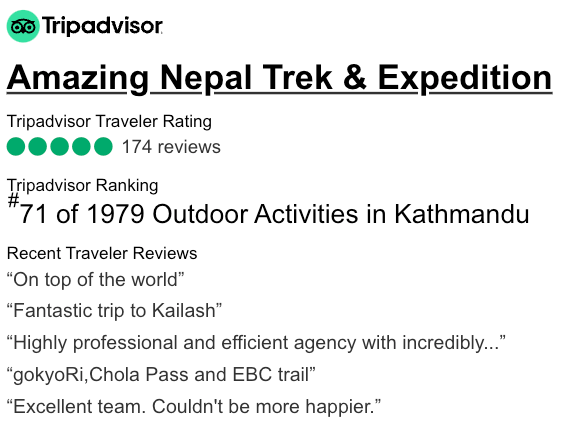
Amazing Nepal Trek is a trusted local operator with deep roots in the Manaslu region, bringing years of specialized experience to every Larkya La Pass expedition. Their commitment to safety and authenticity sets them apart in an industry where these factors make all the difference between a memorable trek and a challenging ordeal.
Expert Planning for a Seamless Journey
The company's meticulous planning process addresses every detail of your journey. From obtaining necessary permits to arranging acclimatization schedules, their team ensures nothing gets overlooked. You'll benefit from their intimate knowledge of weather patterns, trail conditions, and optimal crossing times for Larkya La Pass—information that comes only from years of guiding in this specific region.
Supporting Local Communities through Responsible Tourism
Amazing Nepal Trek prioritizes responsible tourism practices that directly support local communities. Your trek contributes to the economic well-being of remote villages along the Manaslu Circuit, helping preserve traditional lifestyles while providing sustainable income opportunities. The company employs local guides, porters, and teahouse owners, ensuring your adventure dollars reach the people who call these mountains home.
Personalized Attention in Small Groups
Their small-group approach guarantees personalized attention throughout your journey. You won't get lost in a crowd of trekkers—instead, you'll receive tailored support that adapts to your pace and preferences. This focus on individual experience, combined with their professional execution and genuine local expertise, makes Amazing Nepal Trek the ideal partner for conquering Why Larkya La Pass Is One of Nepal's Most Rewarding High Pass Treks?
FAQs (Frequently Asked Questions)
What makes the Larkya La Pass trek one of Nepal's most rewarding high pass treks?
The Larkya La Pass trek stands out due to its challenging physical demands, breathtaking Himalayan landscapes including panoramic views of peaks like Manaslu and Ganesh Himal, diverse alpine ecosystems, and rich cultural experiences with ethnic communities such as Gurung, Tibetan, Brahmin, Chhetri, and Ghale. This combination offers trekkers an unforgettable adventure blending natural beauty and cultural richness.
Where is Larkya La Pass located and what is its altitude?
Larkya La Pass is situated along the Manaslu Circuit route in Nepal at an altitude of 5,106 meters. The trek traverses diverse terrains and ecosystems within the Manaslu region, typically taking about 13-16 days to complete.
When is the best season to trek Larkya La Pass?
The ideal times for trekking Larkya La Pass are during spring (March to May) when wildflowers bloom, and autumn (September to November) when the skies are clear with stable weather. These seasons provide favorable conditions compared to monsoon or winter periods which pose challenges such as heavy rainfall or snowfall.
What type of accommodations can trekkers expect on the Larkya La Pass route?
Trekkers can stay in family-run teahouses along the Manaslu Circuit that offer warm hospitality and local meals like dal bhat (rice and lentil curry). These accommodations provide a comfortable resting place while allowing immersion into local culture.
Are permits required for trekking the Manaslu Circuit including Larkya La Pass?
Yes, trekking in the Manaslu Conservation Area requires specific permits such as the Restricted Area Permit (RAP), Manaslu Conservation Area Permit (MCAP), or Annapurna Conservation Area Permit (ACAP). These permits must be obtained before embarking on the trek through this restricted region.
Why should I consider hiring a local guide or trekking company like Amazing Nepal Trek for Larkya La Pass?
Hiring experienced local guides familiar with the terrain and cultural nuances enhances safety and enriches the trekking experience. Companies like Amazing Nepal Trek ensure meticulous planning, authentic interactions with local communities, responsible tourism practices, and support for local economies while providing safe and memorable adventures in the majestic Himalayas.

 (1) (1).jpg)