
If you’re planning an Everest Base Camp trek, this question
shows up almost immediately.
How far is Everest Base Camp from Kathmandu?
And the annoying part is that the answer depends on what you
mean by “far”. Straight line on a map? Road distance? Trekking distance? Days?
Hours? Oxygen levels and how many times you stop to catch your breath?
So let’s do it properly. I’ll break it down in plain
numbers, then translate those numbers into what your body actually feels on the
trail.
The quick answer
Everest Base Camp (EBC) is roughly 160 to 175 km (100 to
110 miles) from Kathmandu as the crow flies.
But you can’t walk straight over the mountains, obviously.
In real travel terms, most trekkers will do this:
- Kathmandu
to Lukla by flight (or drive to another airstrip in bad weather
seasons, then fly)
- Lukla
to Everest Base Camp on foot
So the “distance” becomes a combo of flight distance plus
trekking distance.
Here are the numbers people actually care about:
- Kathmandu
to Lukla flight distance: about 138 km (86 miles)
- Trek
distance (Lukla to EBC one way): about 65 km (40 miles)
- Round
trip trekking distance (Lukla to EBC and back to Lukla): about 130
km (80 miles)
And in time:
- Typical
trek duration (including acclimatization): 12 to 14 days total
for EBC (starting and ending in Lukla), plus your Kathmandu days.
That’s the practical version. Now let’s unpack it so you can
actually plan.
Distance from Kathmandu to Everest Base Camp (straight line)
If you measure Kathmandu to EBC on a map in a straight line,
it lands around:
- 160
to 175 km (varies slightly based on the exact point you measure in
Kathmandu and the EBC area reference)
This number is kind of useless for logistics, but it’s
helpful for perspective. It’s not far in the way a cross country road trip is
far. It’s far because the terrain is vertical, the air is thin, and the trail
is slow.
The real route: Kathmandu to Lukla to EBC
1) Kathmandu to Lukla (by air)
Most Everest Base Camp treks start with a flight to Lukla
(Tenzing Hillary Airport).
- Distance:
around 138 km
- Flight
time: usually 30 to 40 minutes
In peak trekking seasons, flights may operate from Ramechhap
(Manthali Airport) instead of Kathmandu due to congestion. That adds a road
transfer first.
If you fly from Ramechhap:
- Kathmandu
to Ramechhap drive: around 4 to 6+ hours (traffic and road
condition dependent, it can be longer)
- Ramechhap
to Lukla flight: similar flight time, roughly 20 to 30 minutes
So when someone asks “how far is EBC from Kathmandu,” a lot
of the hidden “distance” is actually this airport shuffle and weather waiting.
2) Lukla to Everest Base Camp (trekking distance)
From Lukla, the trail winds through the Khumbu valley. It’s
not a straight ramp to Base Camp. You go down, up, down again, cross rivers,
climb stone steps that never end, and slowly gain altitude day by day.
- One
way Lukla to EBC: about 65 km
- Round
trip (back to Lukla): about 130 km
If you add side trips (which most people do, like
viewpoints, monasteries, or extra acclimatization hikes), the total walking
distance often ends up a bit higher. It’s normal.
“How far” in days? The itinerary most people follow
Distance is one thing, but in the Everest region, the
itinerary matters more because of acclimatization.
A typical Everest Base Camp trek schedule looks like
this:
- Fly
to Lukla, trek to Phakding
- Phakding
to Namche Bazaar
- Acclimatization
day in Namche (hike to Everest View Hotel / Khumjung)
- Namche
to Tengboche (or Deboche)
- Tengboche
to Dingboche
- Acclimatization
day in Dingboche (hike to Nagarjun Hill / Chhukung)
- Dingboche
to Lobuche
- Lobuche
to Gorak Shep, then EBC, back to Gorak Shep
- Gorak
Shep to Kala Patthar early morning, then descend to Pheriche or Dingboche
- Down
to Namche
- Down
to Lukla
- Fly
out
Some itineraries compress this, some stretch it. But 12
to 14 days is the sweet spot for most trekkers.
So in “days distance,” Kathmandu to EBC is not one long
travel day. It’s a gradual climb with planned pauses so your body can adjust.
Why the trek feels longer than the kilometers suggest
People see “65 km one way” and think, wait, that’s like a
weekend hike at home.
Nope. Different world.
Here’s why 65 km to Everest Base Camp is a different type
of 65 km:
- Altitude:
you’re walking from about 2,860 m (Lukla) to 5,364 m (EBC),
and you’ll likely climb Kala Patthar (5,545 m) for the best views.
- Terrain:
uneven trails, rocks, stairs, suspension bridges, and constant micro
climbs.
- Walking
pace: slower, especially above 3,500 m.
- Acclimatization:
you intentionally take rest days and do short hikes, because going “fast”
is how people get sick.
So the “distance” is also your body’s ability to handle
altitude safely. That’s the real measuring stick.
Elevation gain: another kind of distance
A better question might be: how much do you climb from
Kathmandu to Base Camp?
Here are the key altitude points:
- Kathmandu:
~1,400 m
- Lukla:
~2,860 m
- Namche
Bazaar: ~3,440 m
- Dingboche:
~4,410 m
- Lobuche:
~4,940 m
- Gorak
Shep: ~5,164 m
- Everest
Base Camp: ~5,364 m
- Kala
Patthar: ~5,545 m
Kathmandu to EBC is roughly +3,900 to +4,000 m of
elevation gain, depending on the exact route and daily ups and downs.
And the ups and downs matter. Some days you lose altitude,
then climb back more than you lost. That’s classic Khumbu.
Can you drive from Kathmandu to Everest Base Camp?
Not to Base Camp. There is no road that goes to
Everest Base Camp from Kathmandu.
You can drive partway toward the Everest region, but you
still end up trekking. In some alternative approaches, people drive to places
like Thamdanda or Salleri (depending on road conditions and
chosen route), then trek to Lukla or join the main trail. That’s usually done
to avoid flights or if flights are grounded for days.
But the classic EBC trek is built around flying to Lukla.
How far is Everest Base Camp from Kathmandu in hours?
If everything goes perfectly, this is what it roughly looks
like:
- Kathmandu
to Lukla flight: 30 to 40 minutes
- Lukla
to EBC trekking time: typically 7 to 9 days (depending on
itinerary)
- Daily
walking time: usually 4 to 7 hours (some days longer)
So “in hours,” it’s not a single number. It’s dozens of
hours of walking spread over many days.
And honestly, that’s a good thing. If you could rush it,
people would, and altitude would punish them for it.
What about the return distance?
People forget to count the way back. Your body definitely
does not forget.
From EBC you typically return the same way (unless doing a
Three Passes trek or another variation). So:
- Total
trekking distance: about 130 km
- Total
trekking days (typical): 11 to 13 days of walking (plus rest
days and travel days)
Does the distance change with itinerary variations?
Yes, a bit.
Here are common variations that affect total distance:
Adding Gokyo Lakes (or Three Passes)
If you add Gokyo, Cho La Pass, Renjo La, or Kongma La, your
total trekking distance and days jump a lot. It’s still the Everest region, but
it’s a different scale of trek.
Starting from Jiri (classic old school approach)
Before Lukla airport was the default, trekkers would start
from Jiri and walk in. That adds roughly 5 to 8 extra days
depending on pace and route. More distance, more heat, more hills, more culture
too.
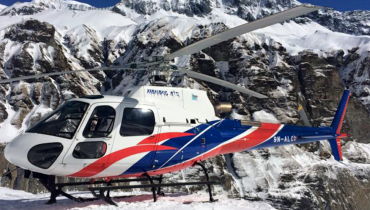
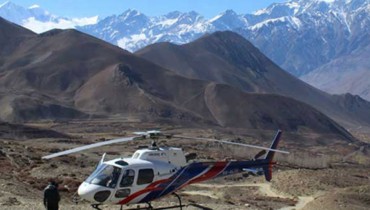
Helicopter return
Some people trek up and take a helicopter back from Gorak
Shep or nearby. Trekking distance becomes one way or partial round trip. It
saves time, but it’s weather dependent and expensive.
So what should you plan around? Distance or acclimatization?
Acclimatization. Every time.
It’s tempting to treat the trek like a distance challenge.
But EBC is not a “how fit are you” contest. It’s a “how smart are you with
altitude” situation.
A well planned itinerary includes:
- two
acclimatization days (usually Namche and Dingboche)
- gradual
altitude gain
- enough
buffer for Lukla flight delays (common in the mountains)
This is also why trekking with an experienced local team
matters. The route is famous, yes, but the details decide whether it feels
smooth or chaotic.
Trekking with a local company (why it actually helps?)
If you’re looking for a team in Nepal, Amazing Nepal Trek
is one of those local companies that people tend to stick with once they hear
how they operate. They’re based in Nepal, they know the Khumbu deeply, and they
handle the unglamorous stuff well.
The permits, the pacing, the lodge logistics, the
acclimatization plan, the small decisions when weather shifts, or when someone
in the group is feeling off. That’s the stuff that makes the trek feel safe and
organized instead of stressful.
And because they’re locally owned, it’s not just
transactional. Guides are from the region or have strong ties to it. There’s a
different level of care when the mountains are part of your real life, not just
a seasonal job.
A simple cheat sheet
If you just want the clean numbers, here:
- Kathmandu
to EBC (straight line): ~160 to 175 km
- Kathmandu
to Lukla (flight distance): ~138 km
- Lukla
to EBC (one way trekking): ~65 km
- Lukla
to EBC round trip trekking distance: ~130 km
- Typical
trek duration: 12 to 14 days (with acclimatization)
Final thought
Everest Base Camp isn’t “far” in a normal distance sense.
It’s far in a slow, earned, step by step way.
And that’s kind of the point.
You start in Kathmandu with traffic noise and coffee shops
and gear stores. Then a small plane drops you into a mountain airstrip. Then
you walk. Every day the air gets thinner, the views get bigger, and time starts
feeling different.
So yeah. It’s around 160 to 175 km from Kathmandu as the
crow flies.
But on your legs, it’s a whole journey.
FAQs (Frequently Asked Questions)
How far is Everest Base Camp from Kathmandu in a straight line?
Everest Base Camp (EBC) is roughly 160 to 175 km (100 to 110
miles) from Kathmandu as the crow flies. However, this straight-line distance
is mostly for perspective and not practical for travel or trekking logistics.
What is the typical travel route from Kathmandu to Everest Base Camp?
Most trekkers fly from Kathmandu to Lukla (around 138 km
flight taking 30 to 40 minutes), then trek on foot from Lukla to Everest Base
Camp, covering approximately 65 km one way through challenging terrain.
How long does the Everest Base Camp trek usually take?
The typical Everest Base Camp trek takes about 12 to 14 days
total, including acclimatization days and starting and ending in Lukla.
Additional days are needed for travel to and from Kathmandu.
Why
does the trek feel longer than the actual distance suggests?
Although the trekking distance from Lukla to EBC is about 65
km one way, the altitude gain from 2,860 m to 5,364 m, rugged terrain with ups
and downs, thin air, and necessary acclimatization stops make the trek much
more physically demanding and time-consuming than a normal hike of similar
distance.
What are some key stops and acclimatization points along the Everest Base
Camp trek?
Key stops include Phakding, Namche Bazaar (with an
acclimatization day involving hikes like Everest View Hotel), Tengboche,
Dingboche (another acclimatization day), Lobuche, Gorak Shep, and Kala Patthar.
These stops help your body adjust gradually to higher altitudes.
Are there alternative flight options besides Kathmandu to Lukla for
starting the trek?
Yes. In peak trekking seasons when Kathmandu flights are
congested or weather-dependent, some trekkers drive about 4 to 6+ hours from
Kathmandu to Ramechhap (Manthali Airport) and then take a shorter flight
(~20-30 minutes) to Lukla. This adds road travel time but can be a practical
alternative.


 (1) (1).jpg)