If you have trekked in Nepal before, you already know this part. The big mountains get all the attention. Everest. Annapurna. The posters, the documentaries, the bucket lists.
But if you come in spring. Like properly spring, late March to May. Something else takes over.
Rhododendrons.
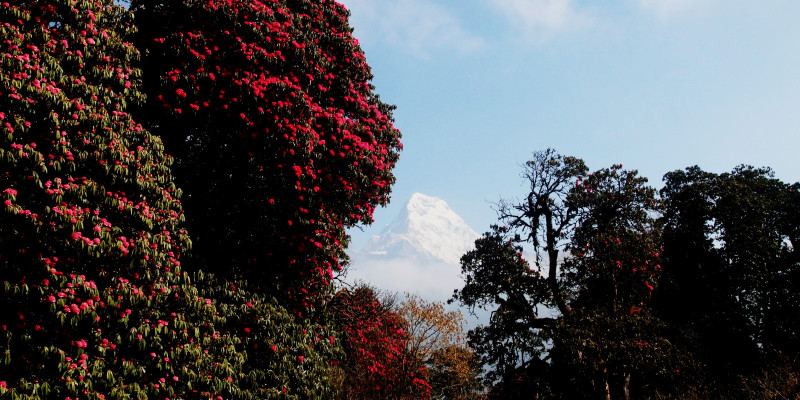
Whole hillsides turn red, pink, white. Little bursts of color in the middle of deep green forests. And it is not just one or two trees either. In the right places it feels endless, like the trail is moving through a living garden that just happens to sit under snowy peaks.
This is also why rhododendron trekking in Nepal feels a bit different from the usual high altitude grind. There is still altitude, sure, and there are still steps. Lots of them. But there is also softness. Forest shade. Birdsong. Villages that smell like woodsmoke. And those moments where you stop for water and realize the entire ridge is glowing.
Below are the top 3 rhododendron treks in Nepal we genuinely think every trekker should experience at least once. These routes are not just “good in spring”. They are made for it.
And yes, we are a local trekking company, so we are biased in one way. We care about the small stuff. The timing, the quiet trails, the tea house that makes the good dal bhat, the guide who knows which rhododendron is which. That kind of local detail changes a trek.
Let’s get into it.
When is rhododendron season in Nepal, really?
Quick and practical.
● Best bloom window: late March to late April
● Still good: early May in higher areas (like Ghorepani to Tadapani, and parts of Langtang and Helambu)
● Too early: February can be hit or miss, depends on the winter
● Too late: by late May, lower forests start fading, and pre monsoon haze comes in
Also, rhododendrons grow at different elevations, so bloom timing shifts. Lower hills bloom first. Higher ridges bloom later. On some treks you literally walk through multiple “layers” of bloom, which is kind of amazing.
1) Ghorepani Poon Hill Trek (Annapurna)
A classic for a reason. And in spring it is basically unfair.
Most people know Ghorepani Poon Hill as the short and scenic trek with a sunrise viewpoint. True. But what people forget is that the Ghorepani to Tadapani section goes straight through one of the most beautiful rhododendron forests in Nepal.
Like, the kind where you keep taking photos, then you stop taking photos because it is getting ridiculous, then you start again because it gets even better around the next corner.
Why this is one of the best rhododendron treks in Nepal?
● Dense rhododendron forest around Ghorepani, Deurali, Banthanti, Tadapani
● Great mix of mountain views + forest walking
● Shorter itinerary, so you can do it even if you only have a week in Nepal
● The trail is well supported with good tea houses, which matters in spring when the weather can change fast
And then there is the sunrise.
Poon Hill is popular. Yes. But when the sky is clear and you see Dhaulagiri and Annapurna lighting up, you don’t really care that other people also had the same idea.
Typical itinerary (5 to 7 days)
Most versions look like this:
1. Drive Pokhara to Nayapul or Ulleri (depending on road conditions), trek to Tikhedhunga or Ulleri
2. Trek to Ghorepani
3. Sunrise hike to Poon Hill, trek to Tadapani
4. Trek to Ghandruk (or continue to Landruk)
5. Trek out and drive back to Pokhara
You can extend it to Mardi Himal or even connect toward Annapurna Base Camp if you want more days and more altitude.
What it feels like on the trail?
One minute you are in stone step villages, kids running around, mules carrying supplies. Then you enter the forest and it gets quiet. Mist sometimes sits between the trees in the morning. You see petals on the ground like someone spilled paint.
And because it is lower altitude compared to the big base camp treks, you can actually enjoy it without feeling like your lungs are negotiating with you.
Difficulty and altitude
● Difficulty: Easy to moderate (still lots of stairs)
● Max altitude: Poon Hill 3,210m
● Great for beginners, families, and people who want a short trek with big rewards
Pro tip (timing matters)
If you can, do Ghorepani to Tadapani on a clear day. This is where the forest is at its best. Also, start early. Morning light in the rhododendron forest is something else.
2) Langtang Valley Trek (Langtang National Park)
Rhododendrons, glaciers, and that quiet Himalayan mood.
Langtang is one of those regions that locals recommend when you want something close to Kathmandu but still properly Himalayan. The valley is dramatic. You go from forest to alpine, with waterfalls and peaks right above you. And in spring, the lower sections are full of rhododendron bloom.
Now, Langtang Valley is not only a rhododendron trek, it is a full package. You get forests early on, then wide open yak pasture landscapes higher up. It changes quickly, and that keeps it interesting.
Why Langtang is special in rhododendron season?
● Rhododendron forests on the approach, especially around Lama Hotel, Ghodatabela, and the lower valley
● Less crowded than Annapurna and Everest, generally
● Powerful scenery with peaks like Langtang Lirung just sitting there, huge
● You can add Kyanjin Ri or Tserko Ri for big viewpoints (and big leg burn, fair warning)
Typical itinerary (7 to 10 days)
A common version:
1. Drive Kathmandu to Syabrubesi
2. Trek to Lama Hotel
3. Trek to Langtang Village
4. Trek to Kyanjin Gompa
5. Day hike to Kyanjin Ri or Tserko Ri, explore, cheese factory visit
6. Trek back to Lama Hotel
7. Trek to Syabrubesi, drive to Kathmandu
If you want more rhododendron coverage and variation, you can combine with Gosaikunda or Helambu. That becomes a longer trek, but very rewarding.
Culture and atmosphere
Langtang has strong Tamang culture, Buddhist traditions, prayer flags, mani walls. You feel it in the villages, in the way tea houses are built, in the little chortens on the trail.
Also, people in Langtang have been through a lot, especially after the 2015 earthquake. Trekking here supports local communities in a direct way. It is not just a nice sentence. It is real.
Difficulty and altitude
● Difficulty: Moderate
● Max altitude: Kyanjin Gompa 3,870m
● (day hikes go higher, Tserko Ri is around 4,984m)
● You need decent fitness, but it is doable for most trekkers with proper pacing and acclimatization
What to expect in spring?
Spring in Langtang is crisp. Clear mornings, clouds often build later. Forest sections can be a little damp, which makes the greens look richer. Rhododendrons pop against that green.
And because the trail follows the river and climbs steadily, the walk feels natural. Not too many brutal jumps in altitude.
Pro tip
If rhododendrons are your main goal, tell your guide you want to time the forest sections for daylight. Sounds obvious, but some itineraries push long days and you end up walking those parts in late afternoon shade. Morning is better.
3) Helambu and Gosaikunda Trek (via Sundarijal or Dhunche)
The underrated rhododendron trail close to Kathmandu.
This one surprises people.
They come to Nepal thinking they need to go far west or deep into Annapurna for rhododendron forests. But Helambu and the Gosaikunda area, especially in spring, can be ridiculously beautiful. And it is close to Kathmandu, so the logistics are easier.
There are different ways to do this trek. You can start from Sundarijal and go through Chisapani, Kutumsang, Thadepati, then either continue toward Helambu villages or connect to Gosaikunda. Or you can approach from Dhunche and go up to the sacred lakes first.
Either way, this region has a sweet mix of:
● mid hill forests packed with rhododendron
● high ridges with views
● Buddhist villages and monasteries
● and then the lakes, which feel like another world
Why this makes the top 3
● Massive rhododendron coverage in the mid hill forests
● Great for people who want a less touristy feel
● Perfect if you have limited time but still want a multi day trek
● Gosaikunda adds a strong spiritual and natural highlight (those lakes are sacred, and you can feel the respect locals have for the place)
Typical itinerary options
Here are two popular versions.
Option A: Helambu ridge focus (6 to 8 days)
1. Drive to Sundarijal, trek to Chisapani
2. Trek to Kutumsang
3. Trek to Thadepati
4. Trek to Tarkeghyang or Sermathang
5. Trek down and drive back via Melamchi bazaar
Option B: Helambu + Gosaikunda combo (10 to 14 days)
This one can vary a lot depending on passes and route choices, but generally it connects Helambu ridges with the Langtang side and the lakes. Best done with a guide who really knows the trail conditions.
Difficulty and altitude
● Helambu alone: Moderate, mostly ridge walking
● With Gosaikunda: Moderate to challenging
● Max altitude: Gosaikunda Lake 4,380m
● Acclimatization matters here, even if the trek starts lower.
What it feels like?
Helambu trails have this intimate vibe. You are walking through forests, then suddenly you are on a ridge with wide views, then you drop into villages that feel almost hidden.
In spring, those forest sections can be overwhelming in the best way. Rhododendron tunnels. Petals on your shoulders. Bees. Birds. And the air smells kind of sweet.
Then Gosaikunda, if you go that far, is stark and quiet. Rock and sky and water. After days of color, the simplicity hits hard.
Pro tip
Start earlier in the day in Helambu. Clouds can roll in by afternoon, especially later in spring. Morning ridge views are the best, and they also make the rhododendron forest sections feel brighter.
A few practical tips for rhododendron trekking (so you enjoy it, not suffer through it)
1) Pack for mixed weather
Spring is playful. Sun one hour, mist the next.
Bring:
● a light down jacket
● a rain jacket
● warm layers for mornings
● good trekking shoes (forest trails can be muddy)
2) Do not rush the bloom
If your schedule is flexible, we usually suggest building in one buffer day. Sometimes the best rhododendron spots are a short detour, or maybe you want to stay an extra night somewhere because the forest around that village is at peak bloom.
3) Respect the forests
Sounds serious but it is simple. Do not pick flowers. Do not break branches for photos. Stay on the trail when possible. Rhododendron forests are part of fragile mountain ecosystems, and locals really do value them.
4) Guides matter more on these treks than people think
On popular routes, people assume they can just follow the crowd. But in spring, conditions change. Small landslides, slippery sections, cloudy afternoons, crowded tea houses in peak weeks.
A local guide helps with pacing, safety, and also the small cultural stuff. Like which monastery to visit, what to order, how to avoid the noisiest lodge. It adds up.
Which rhododendron trek should you choose?
If you want the quick version.
● Best short trek with maximum rhododendron payoff: Ghorepani Poon Hill
● Best mix of rhododendrons and big Himalayan valley scenery: Langtang Valley
● Best underrated spring trek near Kathmandu, with the option to add sacred lakes: Helambu and Gosaikunda
And if you are still unsure, it usually comes down to your time and your comfort with altitude.
Ghorepani is easiest. Langtang is a bit higher but very manageable. Gosaikunda gets high enough that you should take acclimatization seriously.
Trek Nepal like a local (and actually enjoy the whole thing)
Nepal really is a trekker’s paradise, and not just because of the tallest mountains. Spring proves it.
Rhododendron season is when the hills wake up. When the forests stop being just “the part before the viewpoint” and become the whole experience. Color everywhere, little villages tucked in, warm tea, and those quiet stretches of trail where you feel like you have Nepal to yourself.
As a local trekking company, we build these trips the way we would plan them for our own friends visiting Nepal. The right season, the right pace, solid guides, and an itinerary that feels human. Not rushed, not generic.
If you are planning a spring trek and want help choosing the best rhododendron route for your time and fitness, we can map it out with you. Simple as that.
FAQs (Frequently Asked Questions)
When is the best time to experience rhododendron blooms during trekking in Nepal?
The prime rhododendron bloom window in Nepal is from late March to late April. Early May still offers good blooms at higher elevations like Ghorepani to Tadapani, Langtang, and Helambu. February can be hit or miss depending on winter conditions, while by late May lower forests start fading due to pre-monsoon haze.
What makes the Ghorepani Poon Hill Trek ideal for rhododendron trekking?
Ghorepani Poon Hill Trek features dense rhododendron forests around Ghorepani, Deurali, Banthanti, and Tadapani. It combines stunning mountain views with forest walking on a shorter itinerary suitable for beginners and families. The trail is well-supported by tea houses and offers a memorable sunrise viewpoint at Poon Hill (3,210m).
How does the rhododendron season enhance the trekking experience in Nepal compared to typical high altitude treks?
During rhododendron season, trekking feels softer with forest shade, birdsong, and colorful hillsides turning red, pink, and white. Unlike the usual high altitude grind, these treks offer moments of quiet beauty through living gardens beneath snowy peaks, making the experience more immersive and less strenuous.
What are some key highlights of the Langtang Valley Trek during rhododendron season?
Langtang Valley Trek offers rhododendron forests especially around Lama Hotel and Ghodatabela in the lower valley. It is less crowded than Annapurna or Everest regions and provides dramatic Himalayan scenery including peaks like Langtang Lirung. The trek transitions quickly from lush forests to alpine yak pastures, adding variety to the spring experience.
What should trekkers consider regarding altitude and difficulty when planning a rhododendron trek in Nepal?
Rhododendron treks like Ghorepani Poon Hill are generally easy to moderate but involve many stairs. Maximum altitudes are moderate (e.g., 3,210m at Poon Hill), making them accessible for beginners and families. However, altitude acclimatization is still important as some routes reach higher elevations.
How can local knowledge enhance a rhododendron trekking experience in Nepal?
Local guides provide valuable insights such as identifying different rhododendron species and recommending optimal timing for blooms. They also know quiet trails, reliable tea houses serving authentic dal bhat, and help navigate weather changes—details that transform a trek from ordinary to extraordinary.


 (1) (1).jpg)