
The Kailash Mansarovar Yatra, a sacred journey to mount Kailash, has been affected by growing tensions between India and China. This has led to restrictions on Indian pilgrims visiting the site. This has caused worry among devotees due to these new rules.
The tensions
between India and China have caused restrictions on the Kailash
Mansarovar Yatra. This affects many who see mount Kailash as
a sacred place. These restrictions have big implications for the pilgrimage.
They show the need to understand the reasons behind these actions and their
impact on the Kailash Mansarovar Yatra.
The Sacred Significance of
Kailash Mansarovar Yatra
The Kailash
Mansarovar Yatra is a sacred journey in Hinduism, Buddhism, and Jainism. It's
seen as a path to Lord Shiva's home. Devotees believe it's a chance to cleanse
their sins. The Chinese government's rules have made it hard for many to go,
leading some to explore the Nepal route.
Hindu pilgrims
see this journey as a trip to the universe's heart, where Lord Shiva lives.
It's a test of endurance and faith, with tough terrain and harsh weather.
Despite the Nepal route's challenges, many pilgrims are set on completing their
yatra.
Religious Importance in
Hinduism
In Hinduism, the
Kailash Mansarovar Yatra is a sacred path to Lord Shiva. It's believed to heal
and bring spiritual enlightenment. The Tibet Autonomous Region,
where it happens, is seen as sacred. The restrictions have hit hard those who
want to visit.
Spiritual Connection to Lord
Shiva
The journey is a
spiritual bond with Lord Shiva, the destroyer of evil. It's a symbol of
devotion and faith. Many pilgrims go to seek blessings and forgiveness. The
Nepal route's hurdles haven't stopped the spiritual connection to Lord Shiva.
Historical Background of Indian
Pilgrimage to Mount Kailash
The journey
to Mount Kailash by Indians started in the 8th century. Saints
and sages traveled through the lipulekh or nathu la pass to
get there. This trip showed their strong faith and endurance.
For these
saints, the pilgrimage was a major event in their lives. They often spent years
getting ready for it.
The 2020 galwan
valley clash changed the pilgrimage's history. It caused tension
between India and China, leading to travel restrictions. The Chinese
government's rules have hurt devotees who have traveled for centuries.
Now, the
lipulekh and nathu la passes are off-limits. This forces pilgrims to find new
ways to Mount Kailash.
Despite these
hurdles, the pilgrimage is still vital to Indian culture. It's not just a
physical trip but also a spiritual and emotional one. Devotees are driven by
deep faith, and the journey changes them.
As India and
China's situation changes, the pilgrimage's future is uncertain. We'll have to
wait and see how it will be affected.
Understanding Current
India-China Border Tensions
The recent rise
in tensions between India and China has hit the Kailash Mansarovar Yatra hard.
This sacred journey is important to many. The clash in the Galwan Valley has
made things worse, with disputes over the Line of Actual Control (LAC) being
a big issue.
Because of this,
China has put travel restrictions on Indians. This affects not just the
traditional pilgrimage but also new ways like aerial darshan.
The Doklam
standoff has made things even tougher between India and China. It has
cut down on cultural exchanges and activities. The tensions have also made
pilgrims worry about their safety, making it key for governments to solve these
disputes.
Devotees are now
looking at virtual darshan programs and aerial views to still
feel the spiritual power of Kailash Mansarovar.
As things keep
changing, it's important to watch how these changes affect the pilgrimage. The
travel restrictions have hurt not just pilgrims but also the local economy,
which depends a lot on tourism.
The Indian
government is trying to find new ways for pilgrims to go. They are also working
on diplomatic solutions to ease the tensions. The aerial darshan, a
new option, is also facing challenges because of these restrictions.
Official Reasons Behind China's
Restrictions
China's
restrictions on the Kailash Mansarovar Yatra have sparked a lot of debate. Many
wonder why China made this move. The reasons are not clearly stated, but they
likely tie to the tense relations and territorial disputes between
India and China.
The agreements
between India and China haven't solved these issues. This has led to more
tension in the area. The Chinese government wants to keep Tibet stable, and
these restrictions are part of that effort.
These
restrictions have greatly affected pilgrims wanting to visit the sacred site.
The strained relations between India and China are also a result of these
restrictions. To fix this, both countries need to talk more and find better
solutions.
Impact on Traditional
Pilgrimage Routes
The Kailash
Mansarovar Yatra, a sacred journey for many, has been hit by India-China
tensions. Disputes over the line of actual control (lac) have
blocked traditional routes. The doklam standoff has made
things worse, closing the Lipulekh Pass and Nathu La
Pass.
Now, devotees
must find new ways to reach their pilgrimage sites. The Nepal route is one
option, but it's longer and harder. This has raised costs, making the journey
tough for many.
Alternative Routes and Their
Challenges
The Nepal route
is a challenge. It's longer and more dangerous, making the journey tough. The
cost has also gone up, making it hard for many to go.
Future of the Kailash
Mansarovar Yatra
The future of
the Kailash Mansarovar Yatra is uncertain. Tensions between India and China are
still high. The lac disputes and doklam standoff keep
affecting the pilgrimage. The Lipulekh pass dispute is a big
issue. Only time will tell if devotees can once again make their sacred
journey.
Current Status of Kailash
Mansarovar Yatra Mount Kailash India-China Tensions
The Kailash
Mansarovar Yatra, a key pilgrimage for many, is now uncertain due to India-China
tensions. The Nathu la pass closurehas made it hard for devotees to
reach Mount Kailash. This sacred site, home to Lord Shiva, is a point of
contention between the two countries. It affects the pilgrimage routes and
the devotees who want to visit.
For a while now,
the pilgrimage has been restricted. Devotees are waiting for things to get back
to normal. The routes, once bustling with people from around the world, are now
empty. The mount Kailash is now out of reach for many. The Nathu la pass
closure
has also hit the
local economy hard. The economy depends a lot on the devotees who come during
the pilgrimage season. Devotees are now looking for new ways to get to mount Kailash.
The pilgrimage routes are still affected by the tensions. Everyone hopes
the restrictions will be lifted soon. Then, the pilgrimage can continue without
any problems.
Alternative Options for
Devotees
For those who
can't do the traditional kailash mansarovar yatra, there are other ways.
China's rules have made virtual darshan programs popular.
These programs let people join the pilgrimage from home.
Another choice
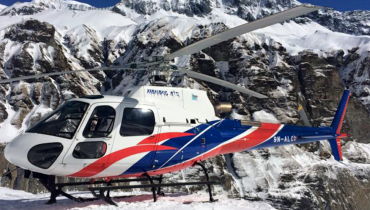
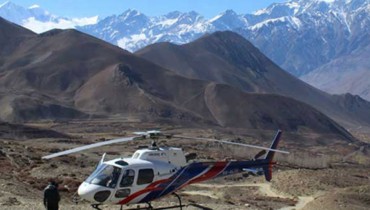
is aerial views of Mount Kailash. This gives a special look at the mountain and
its area. Thanks to tech, people can now join the kailash mansarovar yatra in
new ways. Virtual darshan and aerial views let people feel the mountain's
spiritual energy, even if they can't be there.
Embracing Technology for
Spiritual Growth
Technology has
changed the kailash mansarovar yatra for devotees. Virtual darshan and aerial
views make it easier and more convenient. As our world gets more digital, it's
great to see tech helping spiritual growth.
The kailash
mansarovar yatra shows the power of innovation and the human spirit. It will
keep inspiring and uplifting devotees for many years.
Diplomatic Efforts and
Bilateral Discussions
India and China
have been working hard to solve their border disputes. These efforts are key to
bettering their relationship. They have been talking at many levels to find a
way out.
The talks are
important for the Kailash Mansarovar Yatra, a sacred journey for many. The
Indian government is leading these talks with China. They aim to find a
solution that works for both sides.
By talking and
working together, India and China can overcome their differences. This will
help both countries and the region. With more talks, they can solve their
issues and let the Kailash Mansarovar Yatra continue.
Impact on Indo-China Relations
The restrictions
on the Kailash Mansarovar Yatra have greatly affected Indo-China
relations. This has led to big economic losses, impacting trade and
commerce. Cultural exchange between the two countries has also been limited,
making it hard for people to participate in cultural programs.
The economic
losses from these restrictions have been huge. Trade between the countries has
dropped a lot. This has hurt many sectors like manufacturing, agriculture, and
services. Cultural exchange has also suffered, limiting chances for people to
share in cultural events and programs.
Relations
between India and China have been tense lately. The pilgrimage
restrictions have made things worse. It's hard for the countries to
work together on trade, security, and other regional issues.
To better
relations, we need to tackle economic and cultural issues. We should boost
trade and support cultural exchange programs. Governments must work together to
fix the problems caused by the pilgrimage restrictions. This will
help improve relations and support economic and cultural growth.
Future Prospects for Pilgrimage
Resumption
The future of
pilgrimages to Kailash Mansarovar is uncertain. Devotees are waiting for
restrictions to be lifted. The growing tensions between India and China are a
big problem.
For pilgrimages
to start again, relations between the two countries must improve. The situation
is changing, and devotees are hopeful for a good outcome.
The start of
pilgrimages again will greatly affect devotees. The current situation has
reduced the number of visitors. This has hurt the local economy.
But, with the
right diplomatic actions, things look better. Devotees are optimistic about
visiting the sacred site again.
The Indian
government is working hard to solve the tensions. The Chinese government is
also open to improving relations. This makes the future of pilgrimages look
more positive.
Devotees are
finding ways to connect with the site, like virtual darshan programs.
These alternatives are not the same as the real pilgrimage. But they help
devotees feel connected to their faith.
As tensions
ease, the chance for pilgrimages to resume grows. Devotees are looking forward
to visiting the sacred site again.
Conclusion
The Kailash
Mansarovar Yatra is still affected by India-China tensions.
Devotees are holding onto hope for a solution. They want to go back to the
sacred Mount Kailash again.
Even with
current restrictions, the pilgrim community is strong. They are finding new
ways to stay connected to this holy place. This shows their deep faith and
determination.
For now, virtual
darshan and aerial views offer some comfort. But everyone is looking forward to
the day they can travel to Kailash Mansarovar again. Diplomats
working on a solution are crucial for this.
The faith of the
devotees is unshaken. They believe in the importance of the Kailash
Mansarovar Yatra. It's more than politics or geography to them.
The world is
watching as this journey continues. Devotees are hopeful that their connection
to Mount Kailash will be restored. They dream of a future
where they can freely visit this sacred place.
FAQ
Why does China restrict Indians
from visiting Kailash Mansarovar?
China restricts
Indians from visiting Kailash Mansarovar due to border tensions. The tensions
between India and China have grown in recent years. China sees these
restrictions as a way to keep Tibet stable.
What is the religious and
spiritual significance of the Kailash Mansarovar Yatra?
The Kailash
Mansarovar Yatra is a sacred journey for Hindus, Buddhists, and Jains. It's
seen as a chance to cleanse sins. For Buddhists, it's a visit to the home of
the Buddha Demchok, symbolizing supreme bliss.
What is the historical
background of the Indian pilgrimage to Mount Kailash?
Indians have
been visiting Mount Kailash since the 8th century. They used to travel through
Lipulekh or Nathu La Pass. But, the 2020 clash in Galwan Valley has
led to restrictions.
How have the current
India-China border tensions affected the Kailash Mansarovar Yatra?
The tensions,
especially the Galwan Valley clash, have greatly affected the
pilgrimage. The Doklam standoff has also strained relations. China has now
restricted travel, affecting traditional routes.
What are the official reasons
behind China's restrictions on the Kailash Mansarovar Yatra?
China's reasons
for restrictions are not clearly stated. But, it's believed to be due to border
tensions. The government wants to keep Tibet stable, so it restricts the
pilgrimage.
How have the traditional
pilgrimage routes been affected by the restrictions?
The restrictions
have changed the pilgrimage routes. The Lipulekh Pass is
closed, and Nathu La Pass has restrictions. Devotees now use the Nepal route.
What are the current
alternative options for devotees who are unable to undertake the traditional
pilgrimage?
Devotees can now
join virtual darshan programs or see Mount Kailash from the air. These options
allow them to experience the pilgrimage remotely or from above.
What are the diplomatic efforts
and bilateral discussions between India and China regarding the Kailash
Mansarovar Yatra?
India and China
are working to resolve their territorial disputes. Diplomatic
efforts aim to improve relations. Discussions are ongoing at various
levels to find a solution.
How have the restrictions on
the Kailash Mansarovar Yatra impacted the Indo-China relations?
The restrictions
have strained relations and had economic impacts. Cultural exchanges have also
been limited. This makes cooperation between the countries challenging.
What are the future prospects
for the resumption of the Kailash Mansarovar Yatra?
The future of
the pilgrimage is uncertain. Devotees hope for the restrictions to be lifted.
The improvement of India-China relations is crucial for the
pilgrimage's resumption.



 (1) (1).jpg)