
Trekking in Nepal can be a breathtaking experience, but it's not without risks. Altitude sickness is a common concern, and being prepared is key to a safe and enjoyable journey.
When venturing
into the Himalayas, it's crucial to understand the potential health risks
associated with high-altitude trekking. Knowing how to identify and respond to
these risks can make a significant difference in your trekking experience.
Receiving trekking
health advice before embarking on your journey can help you prepare for
potential health issues and know how to handle them if they arise.
Preparing for Health Challenges
Before Your Trek
Adequate
preparation is essential for minimizing health issues while trekking in Nepal.
Understanding the potential health challenges and taking proactive steps can
significantly enhance your trekking experience.
Essential Medical Supplies for
Nepal Trekking
Packing the
right medical supplies is a critical aspect of preparing for your trek. Essential
items include band-aids, antiseptic wipes, pain relievers, and any personal
medications. It's also advisable to carry a first-aid kit that includes
supplies for treating altitude sickness, such as Diamox. Ensuring you
have these basics can help mitigate minor health issues before they become
serious.
Recommended Vaccinations and
Preventative Medications
Consulting with
a healthcare professional about recommended vaccinations and preventative
medications is a crucial step. Vaccinations for Hepatitis A and Typhoid
are often recommended for travel to Nepal. Additionally, depending on your
itinerary, medications for malaria prophylaxis might be necessary.
Understanding and taking these precautions can significantly reduce the risk of
illness.
Physical Conditioning to Reduce
Health Risks
Engaging in regular
cardiovascular exercise and strength training before your trek can greatly
reduce health risks. Improving your physical conditioning enhances your body's
ability to cope with the demands of high-altitude trekking and reduces the risk
of injury. It's recommended to start training at least 2-3 months prior to your
trek to achieve optimal physical preparedness.
By focusing on
these preparatory measures, trekkers can minimize health risks and maximize
their enjoyment of the trekking experience in Nepal.
Common Health Issues in Nepal
Trekking and Their Symptoms
As you embark on
your Nepal trekking journey, it's essential to be aware of the potential health
issues you may face. Nepal's diverse terrain and climate can expose trekkers to
various health challenges, ranging from altitude sickness to gastrointestinal
problems.
Altitude Sickness: Recognizing
the Warning Signs
Altitude
sickness, also known as acute mountain sickness (AMS), is a significant
concern for trekkers in Nepal, particularly at elevations above 3,000 meters. Symptoms
include headaches, nausea, fatigue, and dizziness. If you experience any of
these symptoms, it's crucial to rest and hydrate. In severe cases, descending
to a lower altitude is necessary.
Gastrointestinal Problems and
Foodborne Illnesses
Gastrointestinal
issues are common among trekkers in Nepal, often caused by consuming
contaminated food or water. Symptoms include diarrhea, stomach cramps, and
vomiting. To minimize the risk, it's recommended to drink bottled or
filtered water, avoid undercooked food, and eat at reputable tea houses.
Respiratory Infections and
Cold-Weather Ailments
The high
altitude and cold weather in Nepal's mountains can also lead to respiratory
infections and cold-weather ailments. Symptoms include coughing, sore
throat, and hypothermia. To prevent these conditions, dress in layers, stay
dry, and avoid overexertion.
Being aware of
these common health issues and taking preventive measures can significantly
enhance your trekking experience in Nepal. It's also essential to be prepared
with a basic first-aid kit and to know when to seek medical attention.
What to Do If You Get Sick
While Trekking
Falling ill
while trekking in Nepal can be a challenging experience, but knowing how to
respond can make a significant difference. It's essential to be prepared and
know the steps to take to ensure your safety and the safety of your group.
Assessing Your Condition: When
to Stop and Rest
If you're
feeling unwell, the first step is to assess your condition. If you're
experiencing severe symptoms such as difficulty breathing, severe
headache, or intense fatigue, it's crucial to stop and rest. Ignoring these
signs can lead to more severe health issues. Knowing what to do if you fall
ill trekking can help you make informed decisions.
Basic First Aid for Common
Trekking Ailments
Basic first aid
can be a lifesaver. For common ailments like altitude sickness,
gastrointestinal issues, or minor injuries, having a first aid kit is
essential. This kit should include medications for pain relief, altitude
sickness, and gastrointestinal issues, as well as bandages and antiseptic
wipes. Understanding first aid for trekking in Nepal can help you treat
minor conditions before they become serious.
Communicating with Your Guide
and Group
Effective
communication with your guide and group is vital if you're feeling unwell.
Informing them about your condition ensures that they can provide assistance
and make necessary arrangements. Guides are trained to handle such situations
and can offer guidance on the best course of action, enhancing trekking
safety in Nepal. Don't hesitate to communicate your symptoms and concerns.
By being
prepared, assessing your condition accurately, administering basic first aid
when needed, and maintaining open communication with your guide and group, you
can manage health issues effectively while trekking in Nepal. This proactive
approach ensures a safer and more enjoyable trekking experience.
Emergency Services and
Evacuation Procedures
Understanding
the emergency services available and knowing the evacuation procedures can be
lifesaving while trekking in Nepal. Trekking in the Himalayas comes with
its risks, and being prepared is key to handling emergencies effectively.
Medical Facilities Along
Popular Trekking Routes
Popular trekking
routes in Nepal, such as the Everest Base Camp and Annapurna Circuit, have
basic medical facilities. These facilities can handle minor injuries and
illnesses but may not be equipped for serious medical emergencies.
Key Medical
Facilities: Lukla, Namche Bazaar, and Manang have relatively
better-equipped clinics. However, for serious conditions, evacuation to
Kathmandu is often necessary.
When and How to Arrange a
Helicopter Rescue?
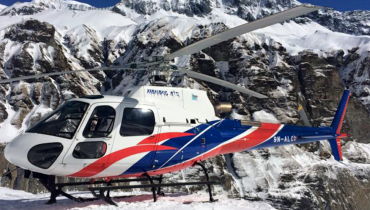
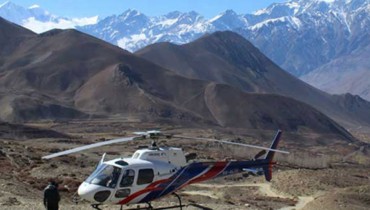
In cases of
severe illness or injury, a helicopter rescue may be necessary. This service is
available along most popular trekking routes.
Arranging a
Helicopter Rescue: Contact your trekking agency or guide, who can
coordinate with helicopter services. Ensure you have trekking emergency
evacuation insurance that covers helicopter rescues.
Insurance Requirements for
Trekking Emergencies in Nepal
Having the right
insurance coverage is crucial for trekking in Nepal. It should include insurance
coverage for trekking in the Himalayas, covering emergency evacuations,
including helicopter rescues.
Key Insurance
Considerations: Ensure your policy covers medical emergencies, evacuations,
and includes coverage for trekking activities. Check if it includes rescue
services in remote areas.
Conclusion: Balancing Safety
and Adventure in the Himalayas
Trekking in
the Himalayas is an exhilarating experience that requires careful planning
and preparation to ensure a safe and enjoyable journey. By understanding the
potential health risks and taking necessary precautions, trekkers can minimize
their exposure to danger and maximize their adventure.
Balancing
safety and adventure is crucial when trekking in Nepal. This involves being
aware of common health issues such as altitude sickness, gastrointestinal
problems, and respiratory infections, and knowing how to respond to
emergencies. Having appropriate health insurance for trekking in Nepal,
including evacuation insurance, is also vital.
With the right
preparation, including physical conditioning, essential medical supplies, and
recommended vaccinations, trekkers can enjoy the breathtaking beauty of the
Himalayas while minimizing their risk. By being informed and prepared,
adventurers can focus on the thrill of their journey, knowing they are ready
for whatever challenges come their way.
FAQ
What are the most common health
issues faced by trekkers in Nepal?
The most common
health issues include altitude sickness, gastrointestinal problems, and respiratory
infections. Being aware of these issues can help you prepare and take
necessary precautions.
How can I prevent altitude
sickness while trekking in Nepal?
To prevent
altitude sickness, ascend gradually, stay hydrated, and consider taking
preventative medication. It's also crucial to recognize the warning signs and
take action promptly.
What should I include in my
first aid kit for trekking in Nepal?
Your first aid
kit should include essentials like bandages, antiseptic wipes, pain relievers,
and any personal medications. It's also a good idea to include supplies for
treating altitude sickness and gastrointestinal issues.
What are my options for
emergency medical evacuation in Nepal?
In case of a
medical emergency, you can arrange for a helicopter rescue. It's essential to
have the right insurance coverage that includes emergency evacuation.
Do I need special insurance for
trekking in Nepal?
Yes, it's highly
recommended to have travel insurance that covers trekking activities and
emergency medical evacuations. This will provide financial protection in case
of an unexpected medical emergency.
How can I communicate with my
guide and group if I get sick while trekking?
Make sure to
inform your guide or group leader immediately if you're feeling unwell. They
can provide assistance, advice, and help you access medical care if needed.
Are there medical facilities
along popular trekking routes in Nepal?
Yes, there are
medical facilities along popular trekking routes, but their availability and
quality can vary. It's still crucial to be prepared and know how to access more
advanced medical care when needed.
Can I trek in Nepal without a
guide?
While it's
possible to trek without a guide, it's not recommended, especially for solo
travelers or those unfamiliar with the terrain and local conditions. Guides can
provide valuable assistance in case of an emergency.
How can I minimize the risk of
getting sick while trekking in Nepal?
To minimize
health risks, prepare thoroughly, stay physically fit, and take necessary
precautions like vaccinations and preventative medications. Being aware of
potential health issues and taking prompt action can also help.

 (1) (1).jpg)